I help oil and gas (onshore and offshore), pressure equipment and aerospace teams answer one question: is this component safe to keep running? I work in Abaqus and ANSYS on API 579 / ASME FFS-1 Level 3, fracture, fatigue, creep and design by analysis.
Each area links to a guide or a model you can open and check.
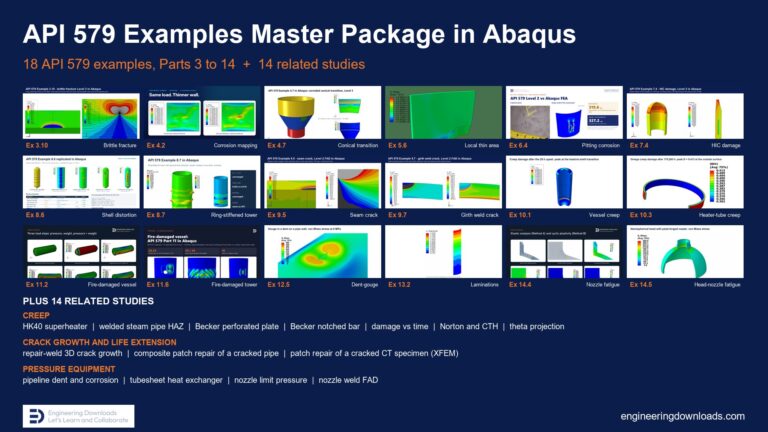
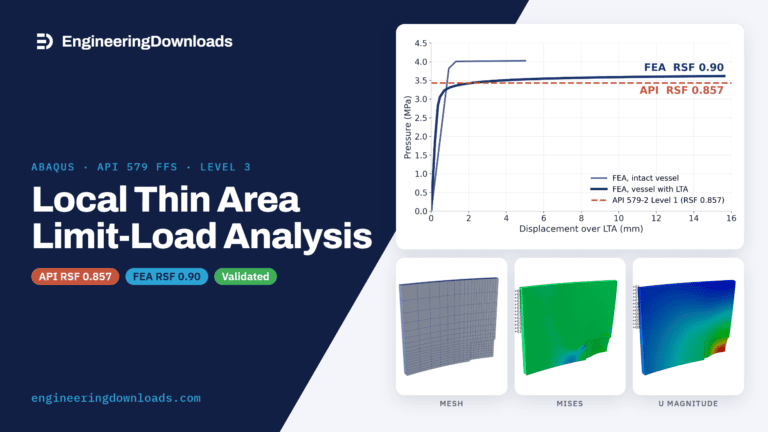
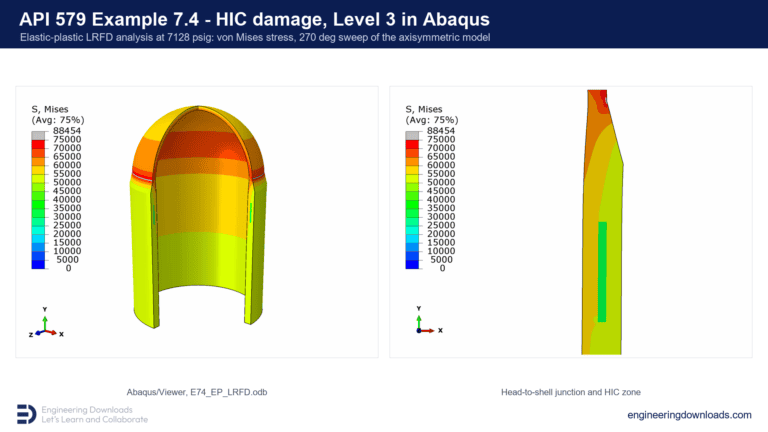
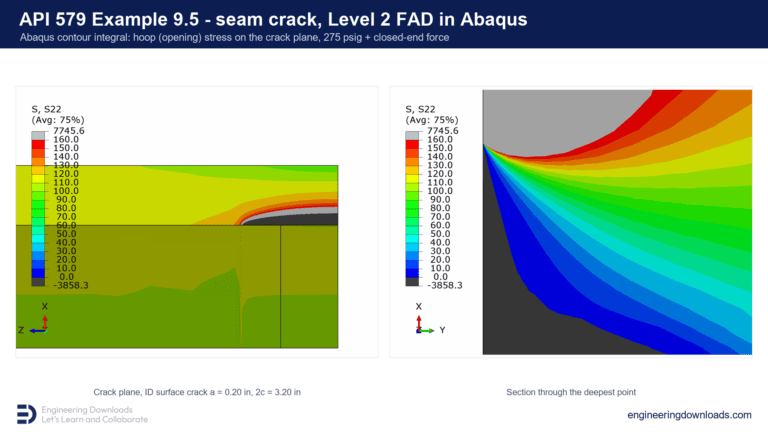
Level 2 and Level 3 assessments of local thin areas, pitting, shell distortion, fire damage, HIC, brittle fracture and crack-like flaws with FAD checks.
Fracture, fatigue and creep assessment of flaws in welded and metallic structures, and when to use BS 7910 instead of API 579.
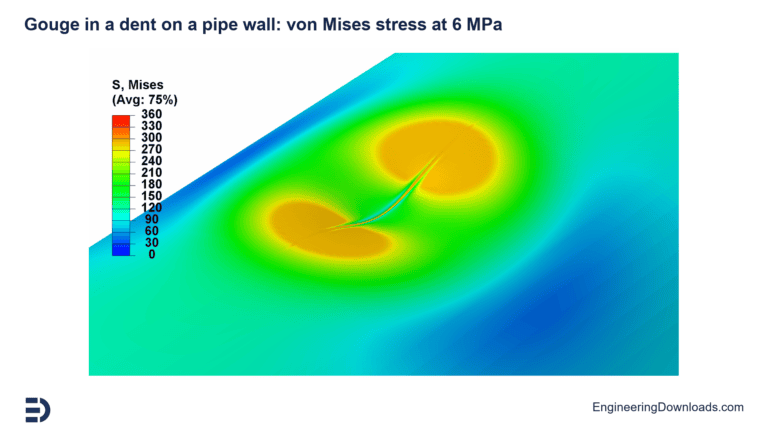
Nonlinear FEA of dents, dent-gouge defects and corroded pipe under pressure, for oil and gas pipeline integrity.
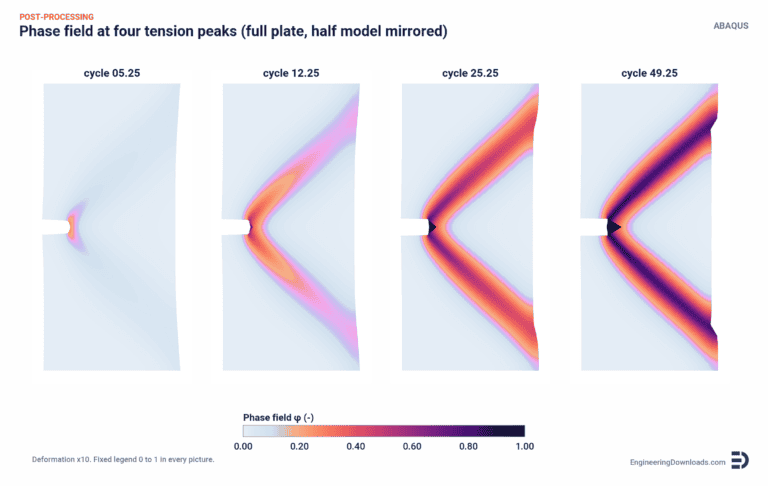
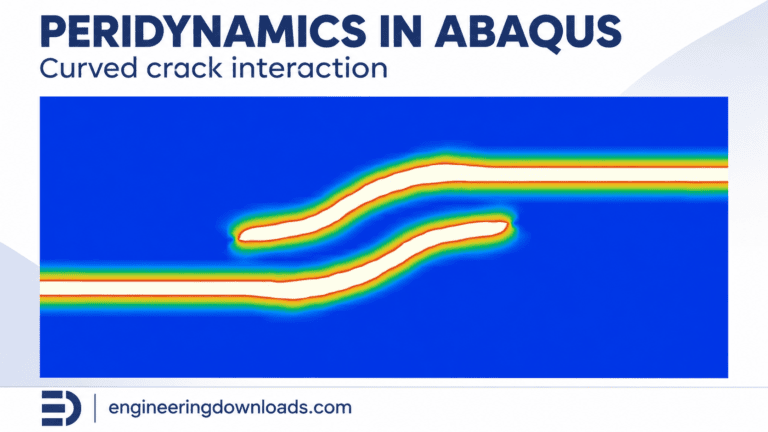
Stress intensity factor, J-integral, CTOD, crack growth with Paris law, XFEM, SMART, phase-field and peridynamics.
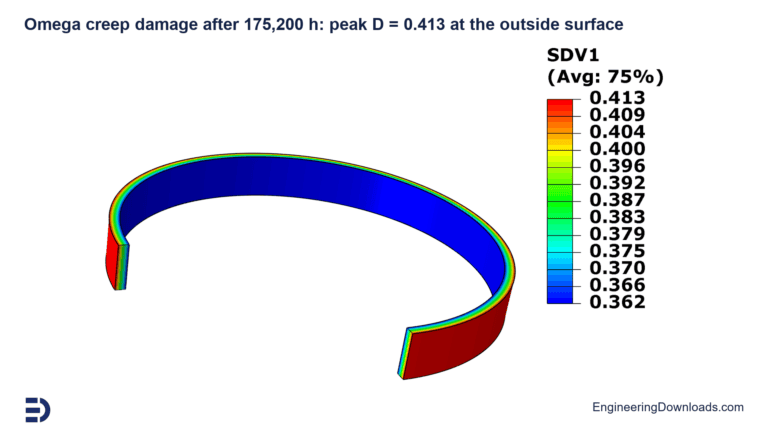
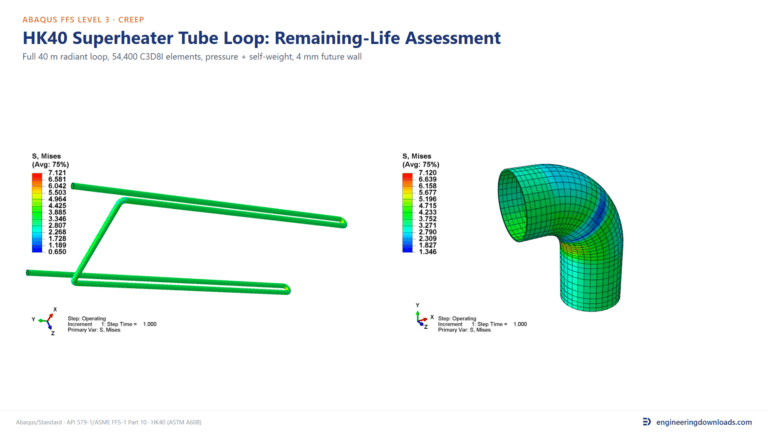
Creep life and damage models for heater tubes, superheaters and welded steam pipe, in Abaqus and ANSYS APDL.
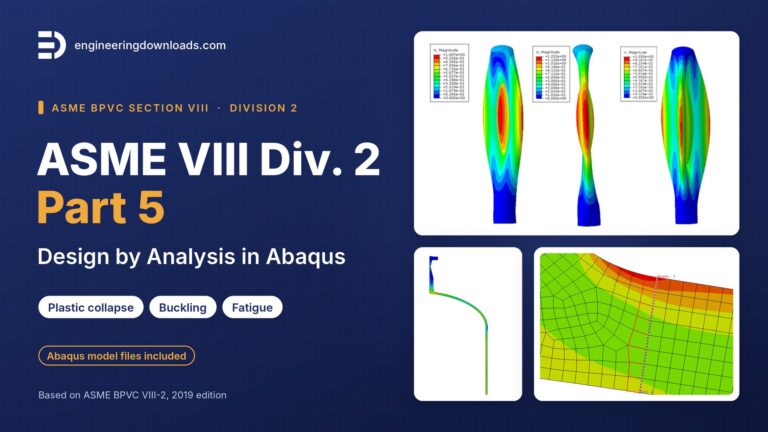
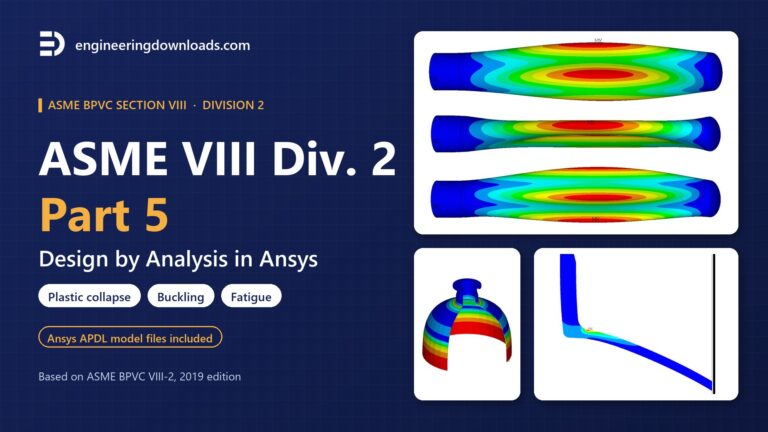
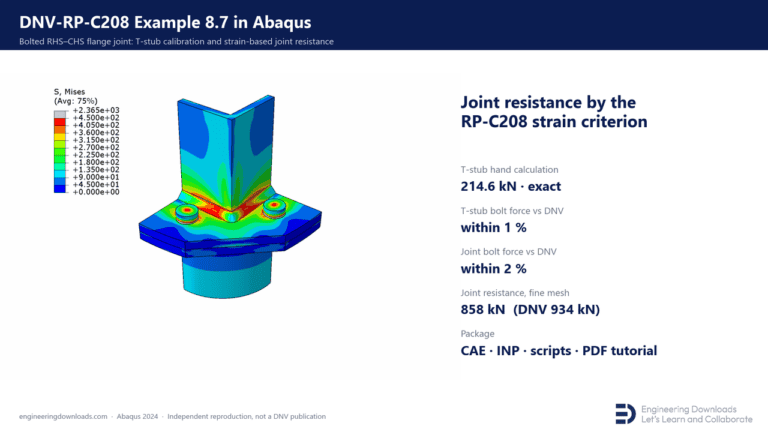
Part 5 checks for plastic collapse, buckling, ratcheting and fatigue, with proper stress linearization. Also DNV-RP-C208 nonlinear FE for offshore steel structures.
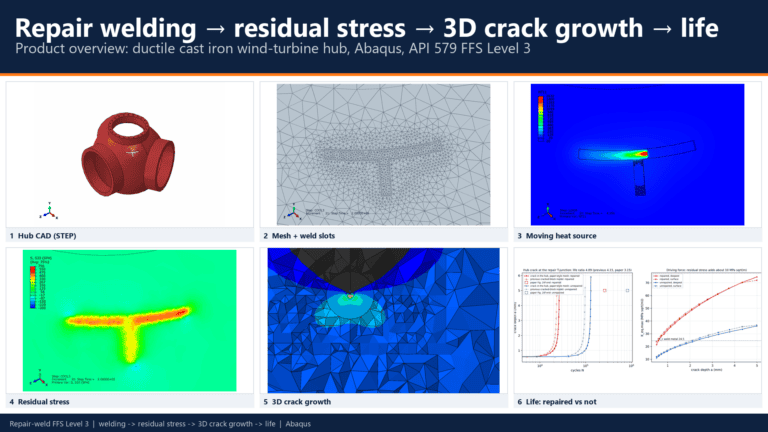
Thermo-mechanical and metallurgical welding models, repair-weld residual stress and its effect on crack growth.
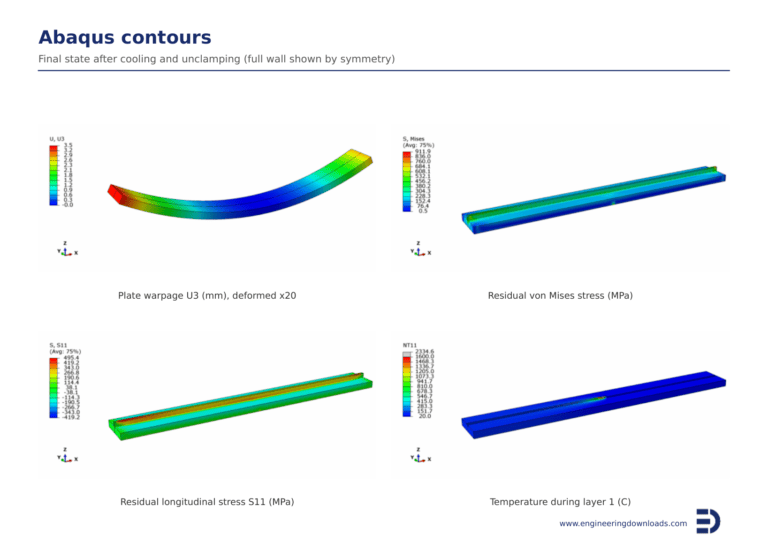
WAAM and LPBF process simulation: residual stress, distortion and melt pool.
Bone, spine and implant models with realistic loading, from the same nonlinear FEA toolbox.
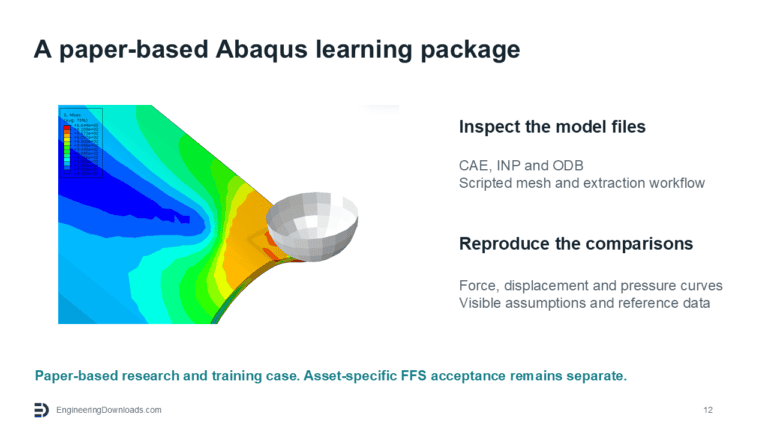
These are published on Engineering Downloads, many of them replicated from published papers, standard benchmarks and API 579 worked examples.
Commercial and open source, plus the scripting that ties them together.
A tutorial from the Engineering Downloads channel: additive manufacturing simulation in Abaqus with no coding. More videos on YouTube.
I create and review engineering tasks and data for AI model training, and I build AI agents that run FEA and CAE workflows. If your team trains or evaluates AI on structural, FEA or CAE problems, I can help with expert review and with tasks that need real solver results.
Realistic engineering problems, reference answers and checks written by someone who runs the solvers.
Agents that write and run Abaqus and ANSYS scripts, then check the results.
Python, APDL and Fortran for repeatable models, batch runs and reports.
Simple and clear, so you know what happens next.
Send the component, loads, material, inspection data and the decision you need to make.
I tell you honestly whether I can help, which assessment level fits and what you will receive.
You get the model, the checks and a clear report. I do the analysis. Your responsible engineer signs off the final assessment.
I grew up in Kurdistan, and I still carry that with me. Engineering is my work, but where I come from shapes how I work: direct, honest and no empty promises.
I work with clients worldwide, in English and Persian. If I am not the right person for your problem, I will say so.
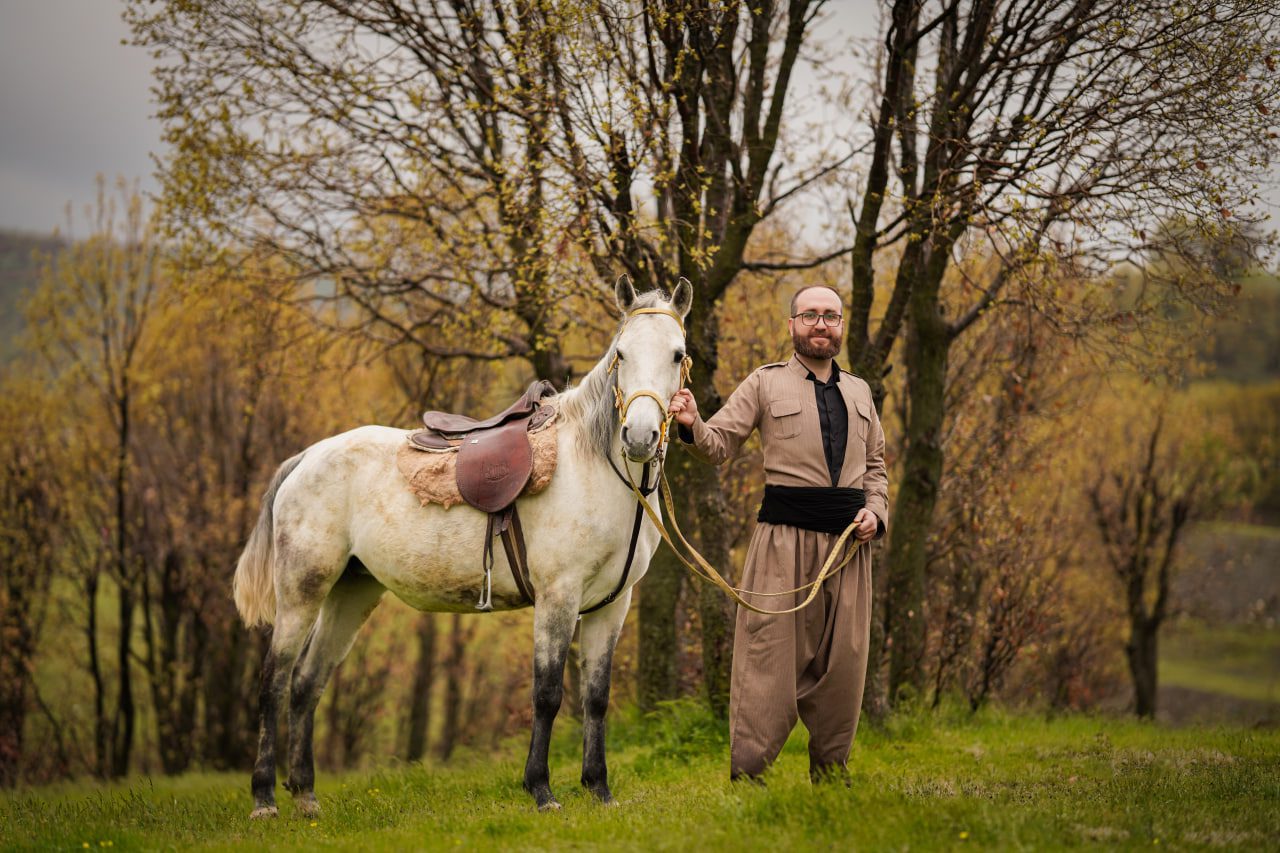
Saman Hosseini is a freelance structural integrity and FEA consultant with 9+ years of experience, and the founder of Engineering Downloads. He specializes in fitness-for-service, fracture mechanics, fatigue, creep, welding simulation and design by analysis using Abaqus and ANSYS.
Saman Hosseini does API 579-1 / ASME FFS-1 Level 2 and Level 3 assessments in Abaqus and ANSYS, including local thin areas, pitting, shell distortion, fire damage, HIC, brittle fracture, creep and crack-like flaws with FAD checks. His worked examples are published on Engineering Downloads.
Yes. He builds nonlinear FEA models of dents, dent-gouge defects and corroded pipe under pressure. See the pipeline dent and corrosion model and API 579 Example 12.5 above.
Both assess flaws using fracture mechanics. API 579 is common in refining and pressure equipment, while BS 7910 is widely used for welded structures, pipelines and offshore work. The guide on Engineering Downloads compares them step by step.
Yes. Abaqus and ANSYS (Mechanical and MAPDL/APDL) are the two main tools, with Python and Fortran subroutines for automation and custom models, and open source tools such as Gmsh, CalculiX, PrePoMax and Code_Aster.
Yes. Saman creates and reviews engineering tasks and data for AI model training, and builds AI agents for FEA and CAE workflows.
Book a short call or send the component, loads, material and the decision you need to make. You will get an honest answer on whether he can help and how.
Send me the problem. I will tell you if I can help, which approach fits and what you will get.
Saman Hosseini is the founder of Engineering Downloads, a marketplace for simulation models, courses and expert help with content from many authors. Saman has built 200+ of the models himself.

