Need a full custom project? See the options below.
Need a full custom project? See the options below.
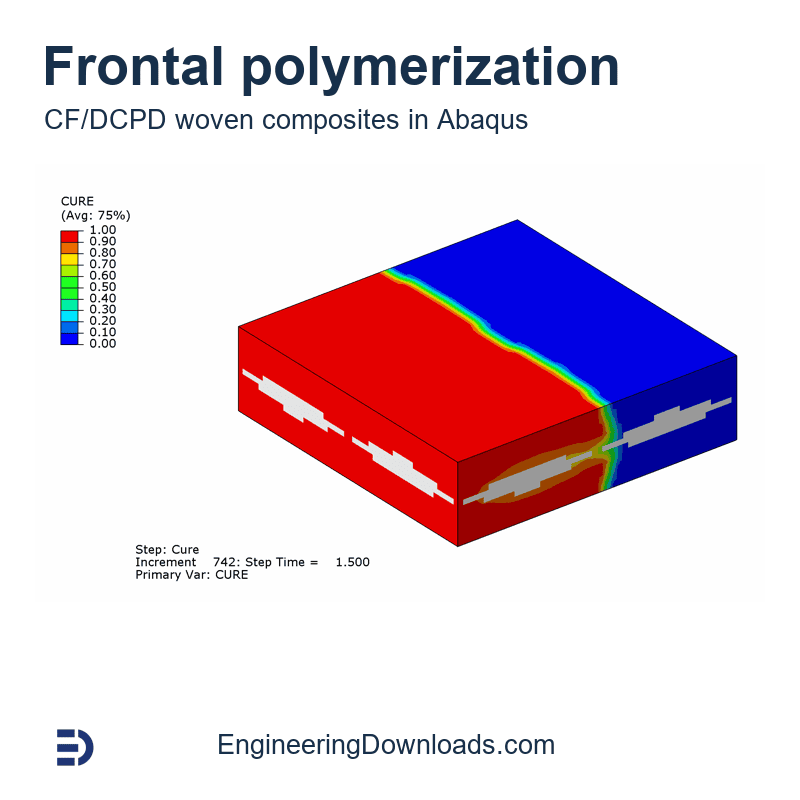
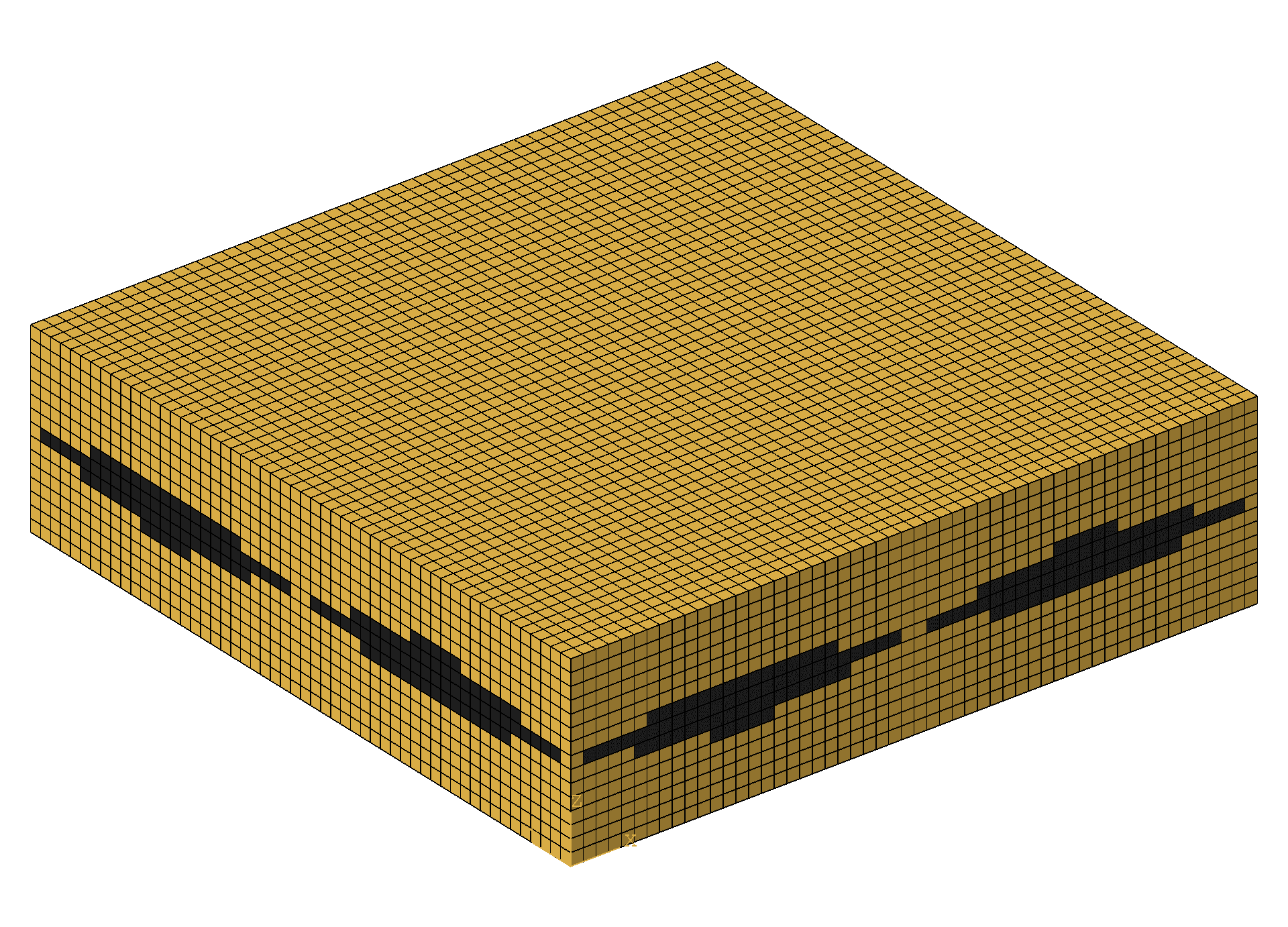
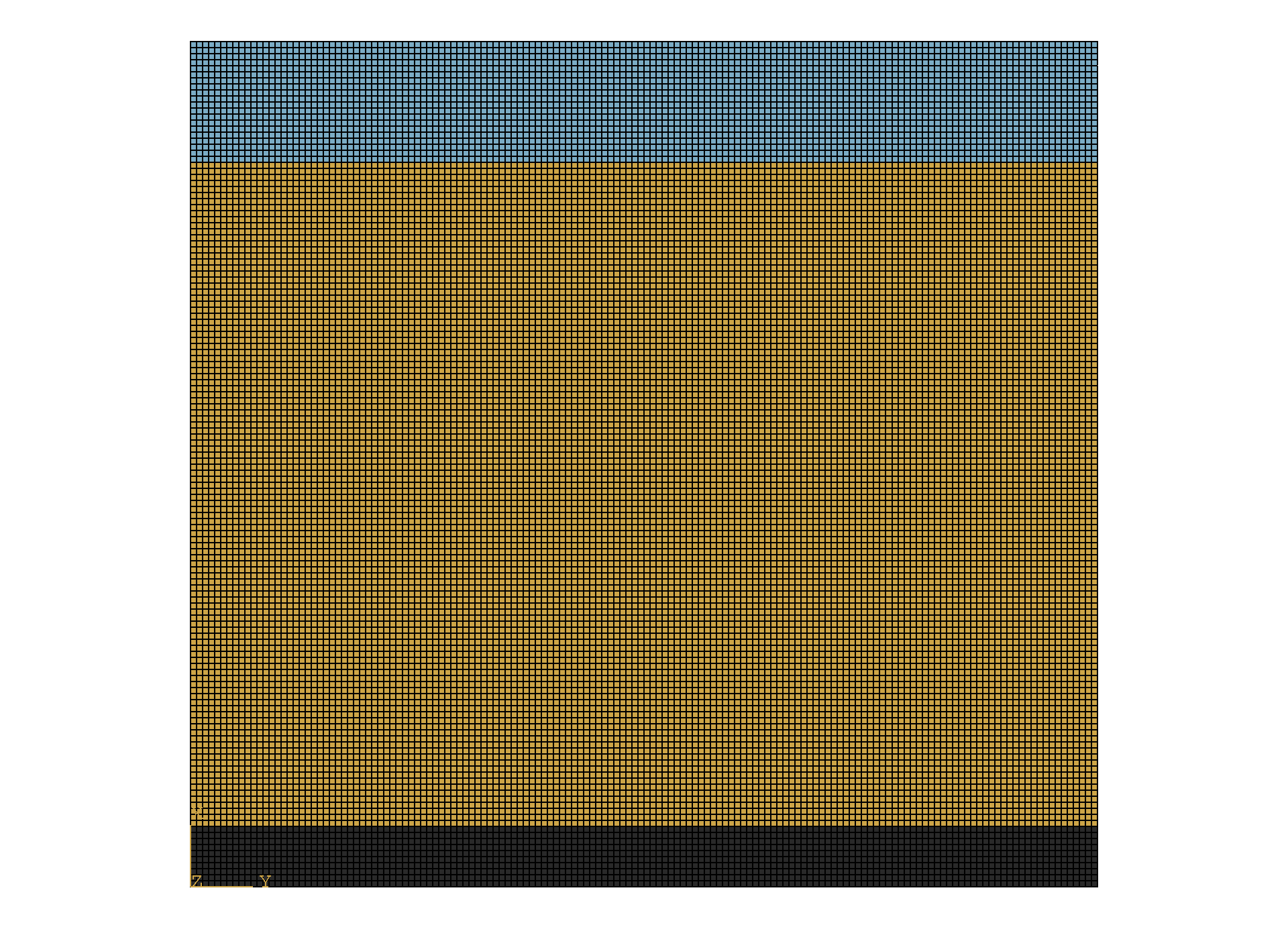
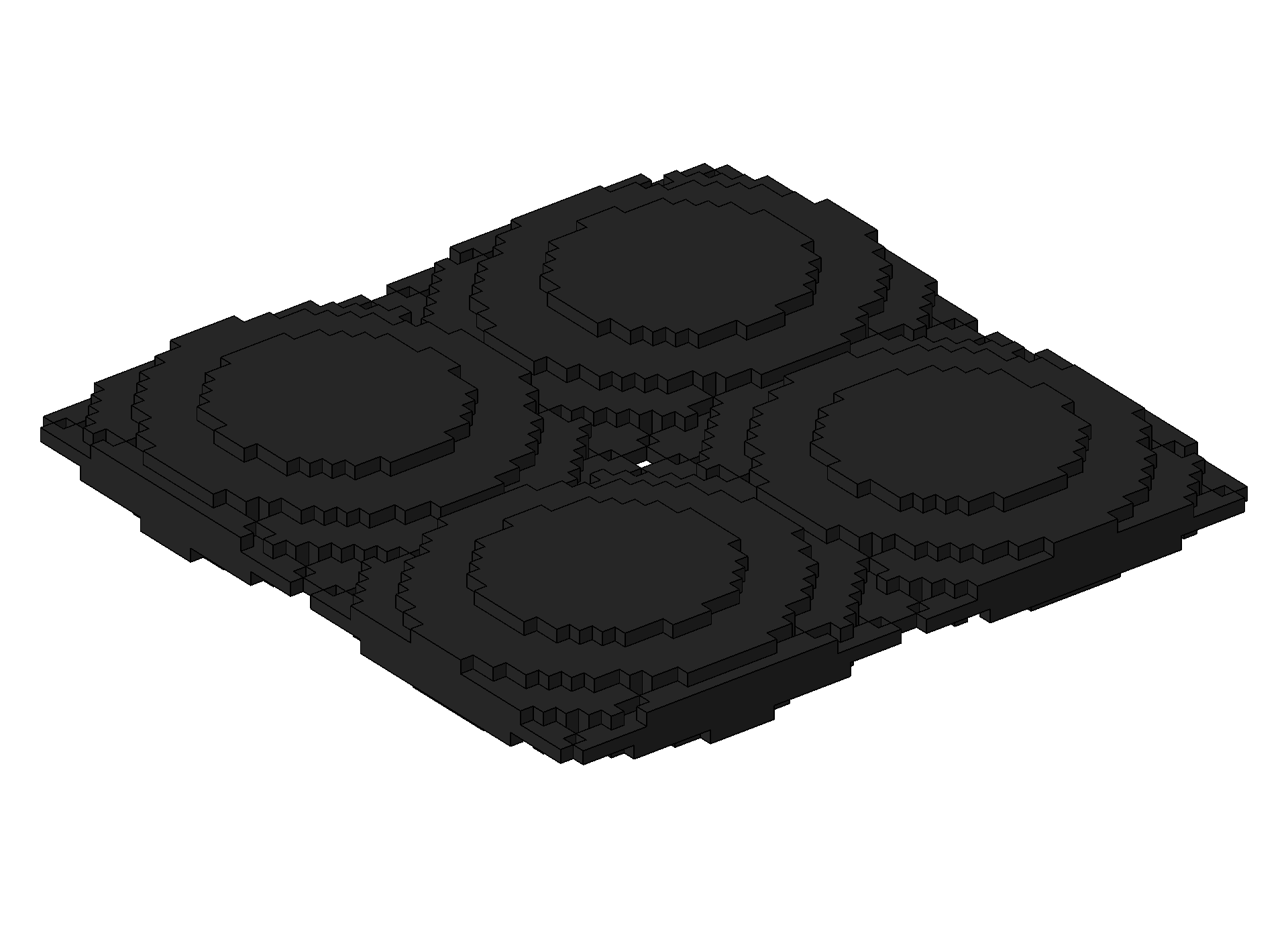
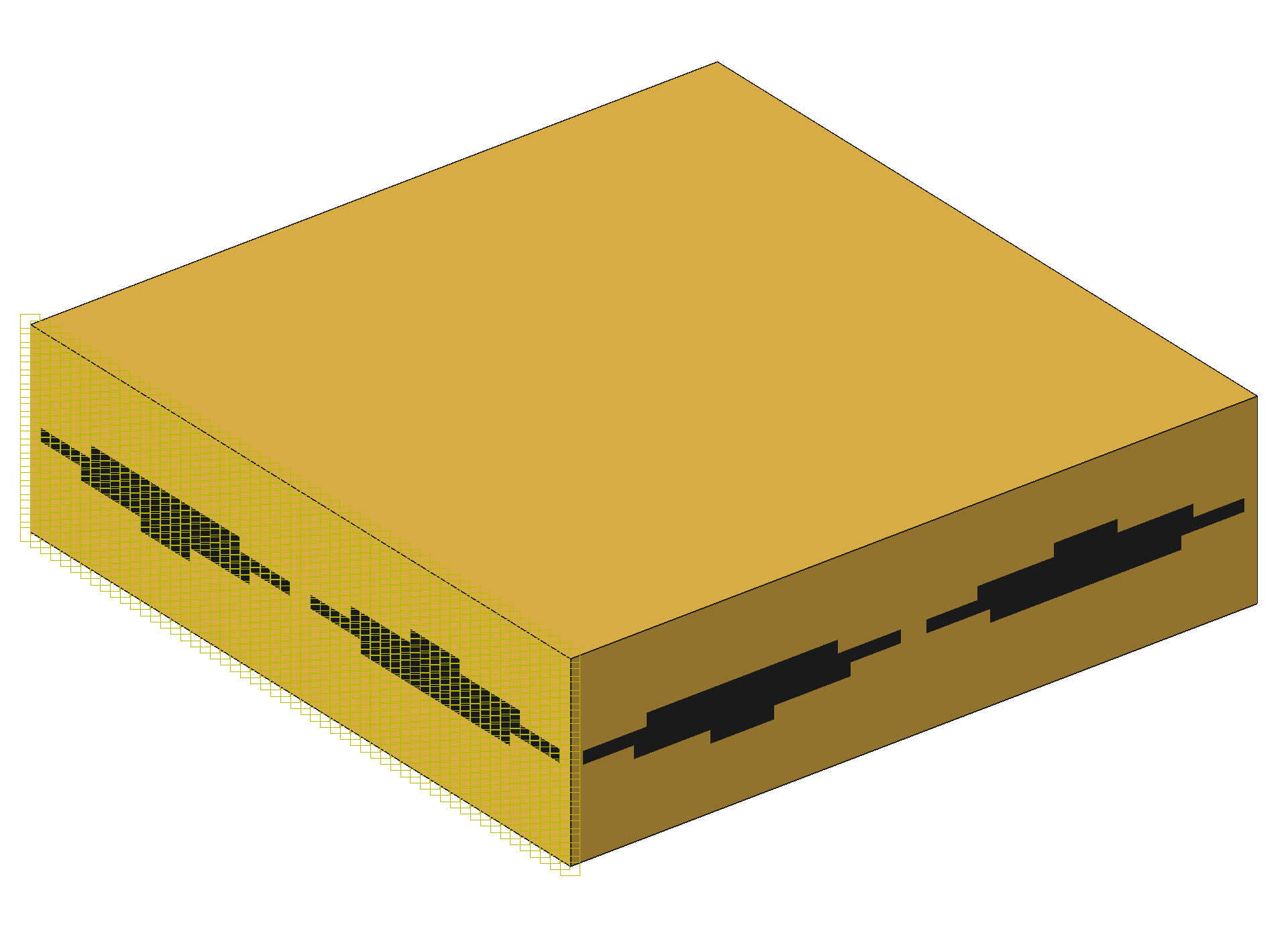
Abaqus heat-transfer and cure-kinetics model of frontal polymerization in carbon fiber / dicyclopentadiene (CF/DCPD) woven composites, built from the published work of Sharifi, Kwon, Shah and Lee. A HETVAL subroutine supplies the heat released by the DCPD cure reaction. The package contains an axisymmetric DCPD tube benchmark and a woven unit cell triggered either in-plane or out-of-plane, as input (.inp) and CAE (.cae) files with the subroutine and a one-click run script. Everything runs in your own Abaqus installation.
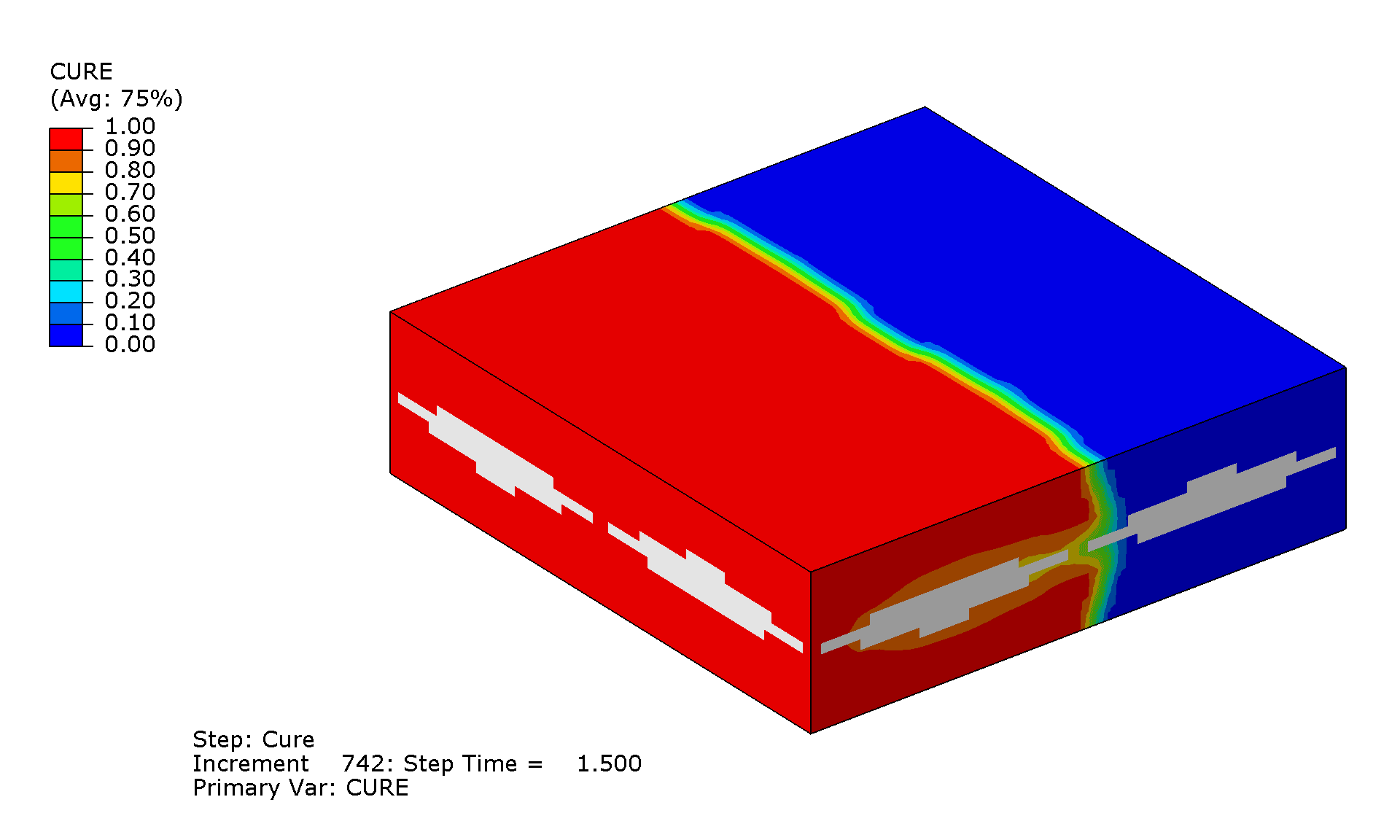
Frontal polymerization lets a thermoset such as DCPD cure on its own: a short thermal trigger starts the reaction, and the heat released by the reaction drives a self-propagating cure front through the part. Predicting how fast that front moves, and how carbon fiber tows change it, needs a heat-transfer model coupled to the cure kinetics. This product gives you that model in Abaqus: the Arrhenius rate law with an autocatalytic cure model is evaluated in the HETVAL user subroutine, which returns the volumetric heat generation, while Abaqus solves transient heat conduction in the resin and the fibers.
Title: Modeling of Frontal Polymerization of Carbon Fiber and Dicyclopentadiene Woven Composites with Stochastic Material Uncertainty.
Authors: Ahmadreza Mohammad Sharifi, Dong-Jun Kwon, S.Z.H. Shah, Juhyeong Lee.
Journal: Composite Structures, Volume 326, 2023, Article 117582. DOI: 10.1016/j.compstruct.2023.117582.
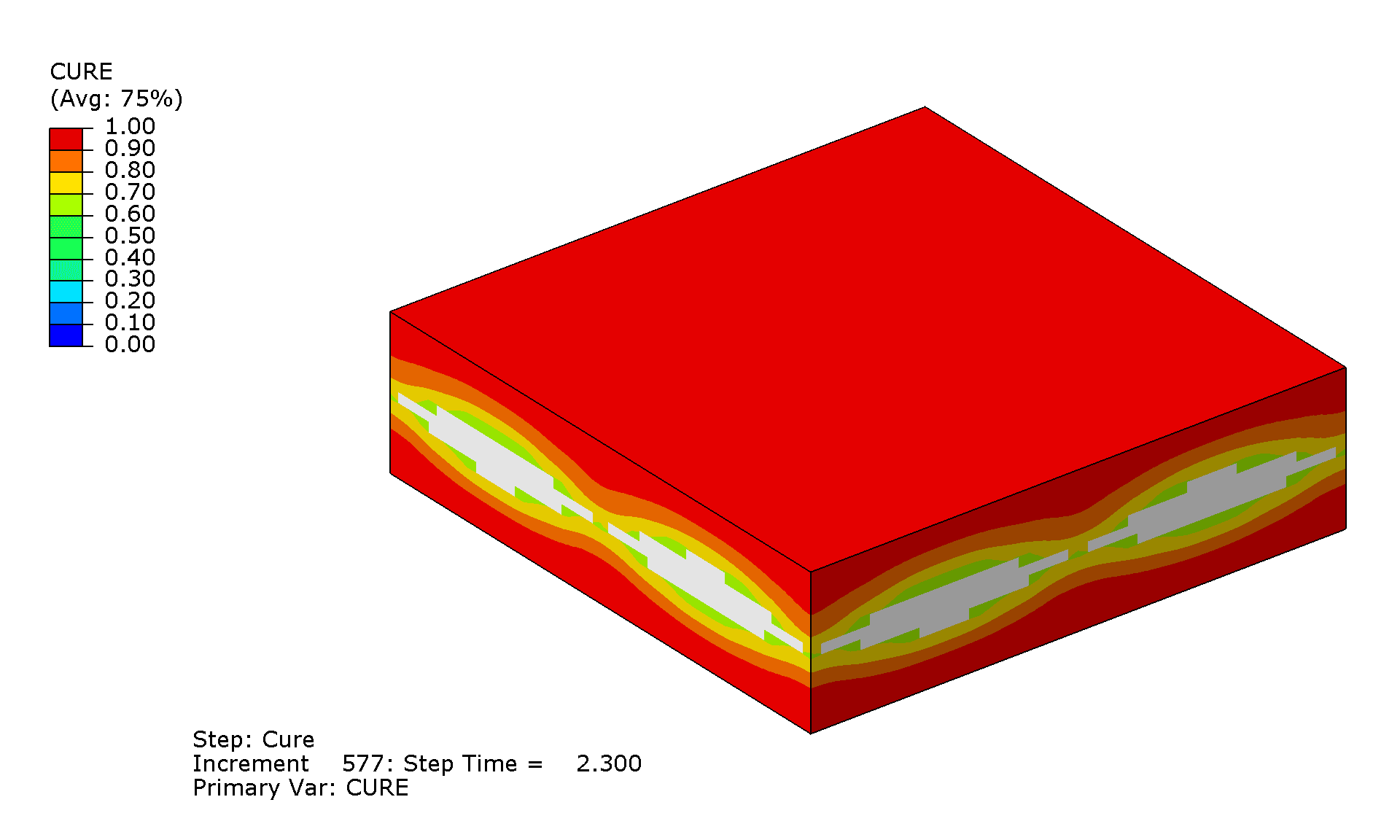
The authors propose a finite element framework for simulating DCPD frontal polymerization inside carbon fiber woven composites. A mesoscale representative volume element of the CF/DCPD weave is triggered in two directions, giving out-of-plane and in-plane propagation of the cure front. The Arrhenius equation combined with a modified Prout-Tompkins autocatalytic law describes the reaction, and the rate and degree of cure are evaluated while the DCPD material properties carry uncertainty, with and without randomly placed voids (3 % voids as the reference case). The triggering direction strongly affects the front: in the model considered, polymerization moves slightly faster along the warp and weft yarns than through the thickness, and the resin cures before the fiber-resin interface does. Property scatter and voids both change the process and tend to slow the rate and degree of cure. The work is presented as a preliminary estimate that can guide structural uses of DCPD-based composites. (Paraphrased from Sharifi et al., Composite Structures 2023; see the original article for the full abstract.)
Input and CAE files and the subroutine source are supplied, so the models run in your own Abaqus installation (a Fortran compiler must be configured for user subroutines).
Transient heat transfer follows ρCp∂T/∂t = ∇·(k∇T) + ρHrdα/dt. Here ρ is density, Cp is specific heat, k is conductivity, and Hr is the reaction enthalpy per mass. T is temperature and α is degree of cure.
The cure rate is dα/dt = A exp(−Ea/RT)(1−α)nαm / [1 + exp(C(α−αc))]. The Arrhenius term uses kelvin. The included benchmark implementation uses Ea = 110.75 kJ/mol from the Robertson parameter column and Hr = 350 J/g.

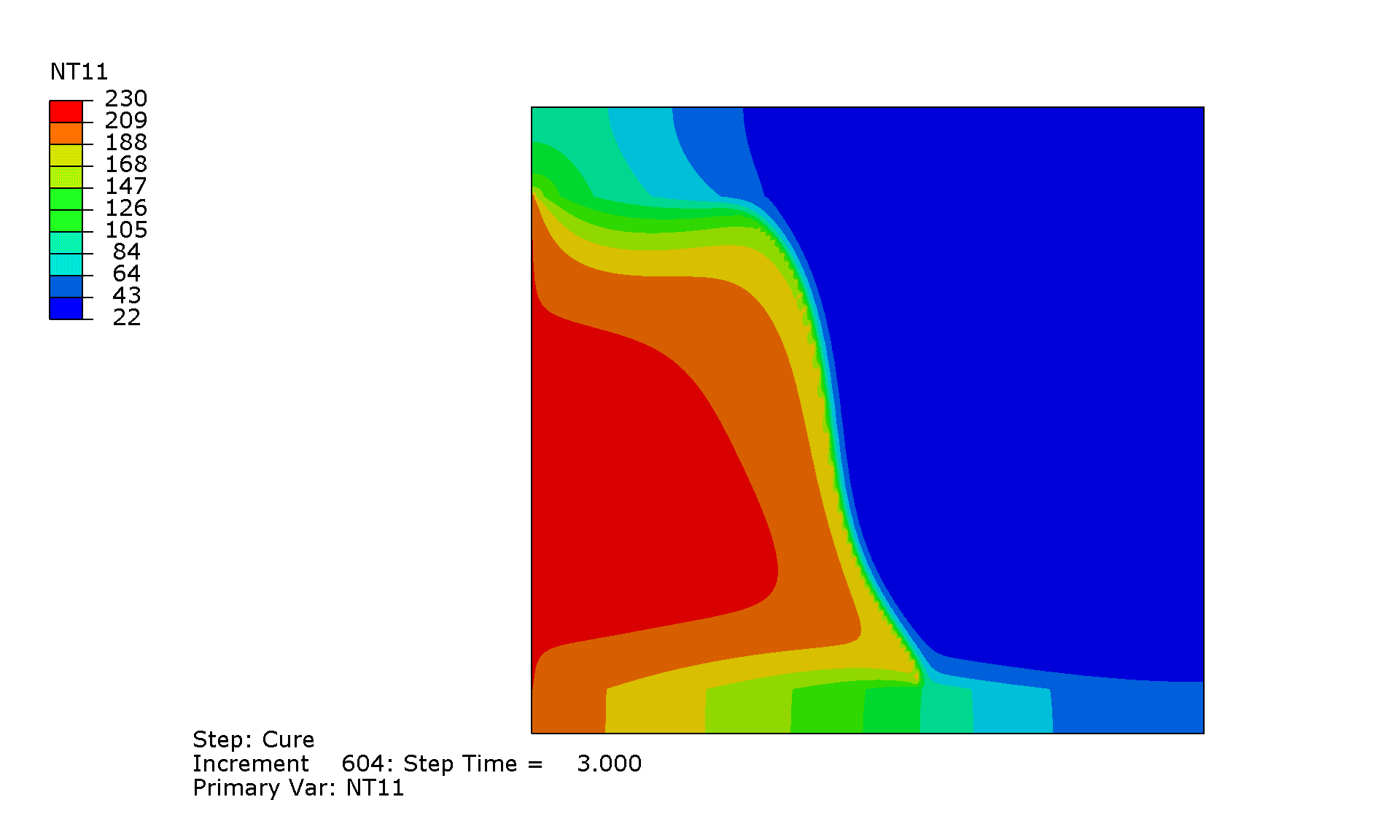
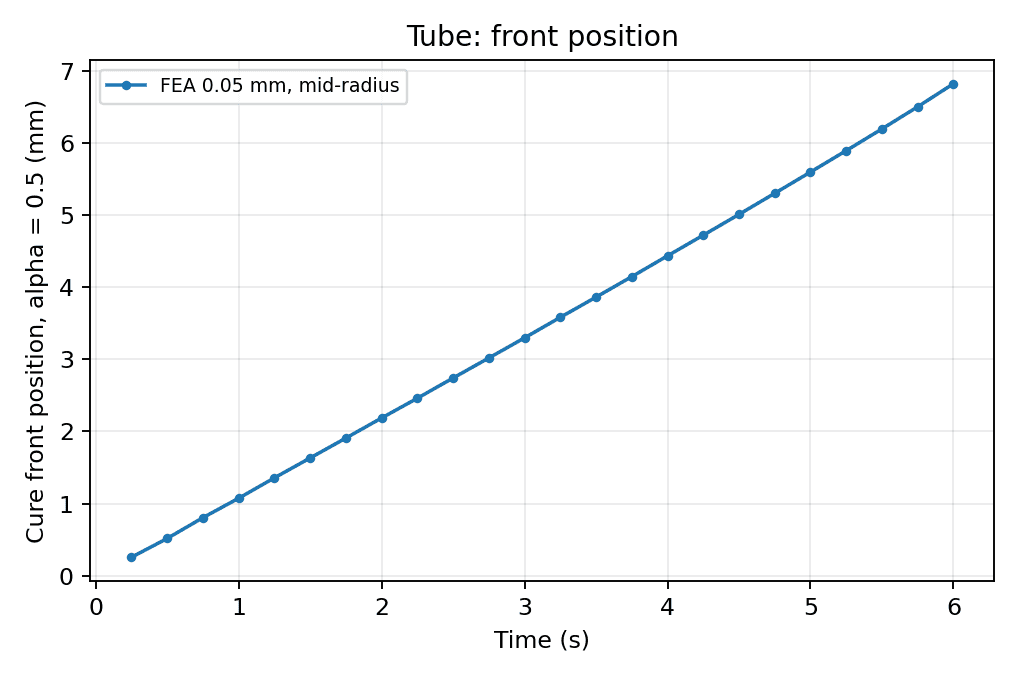
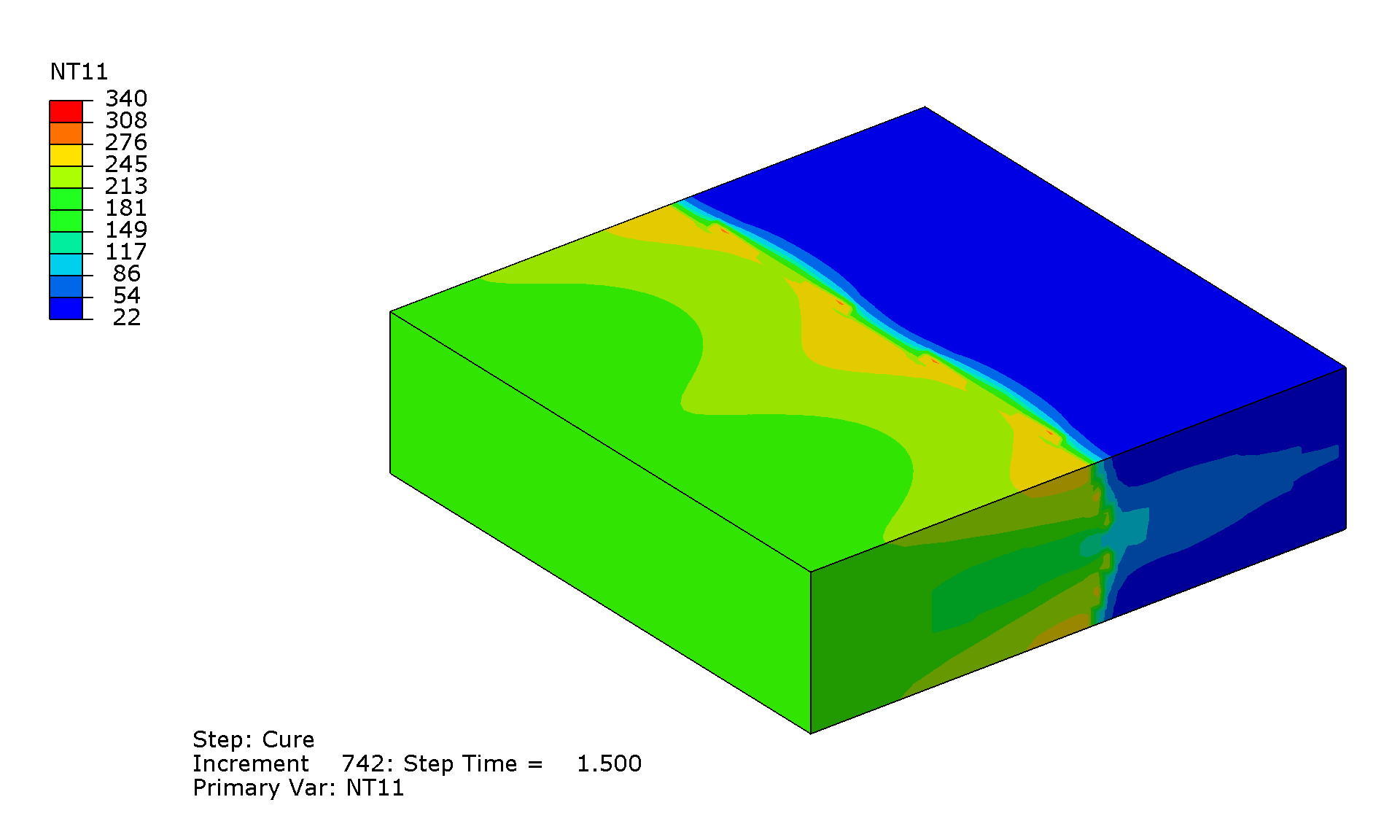
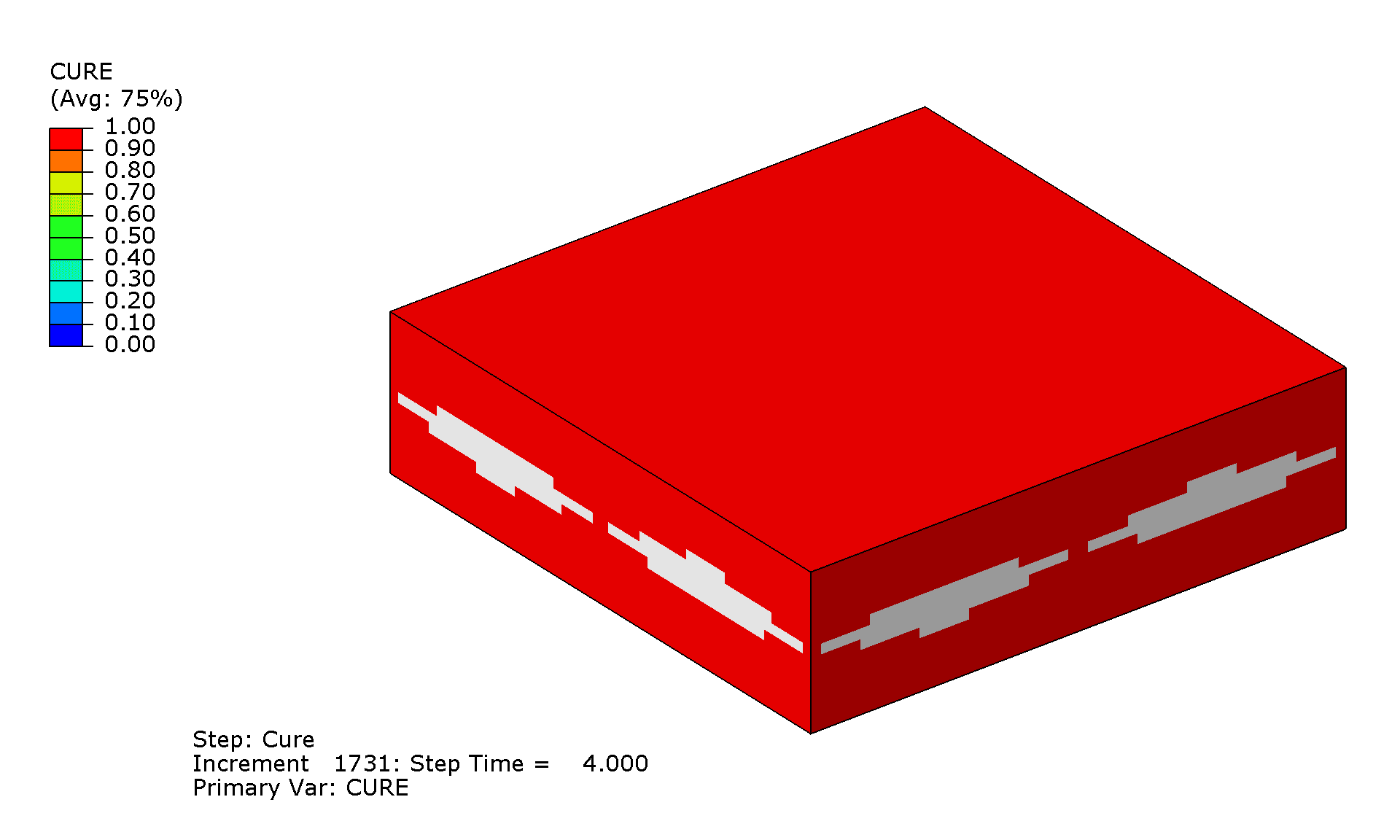
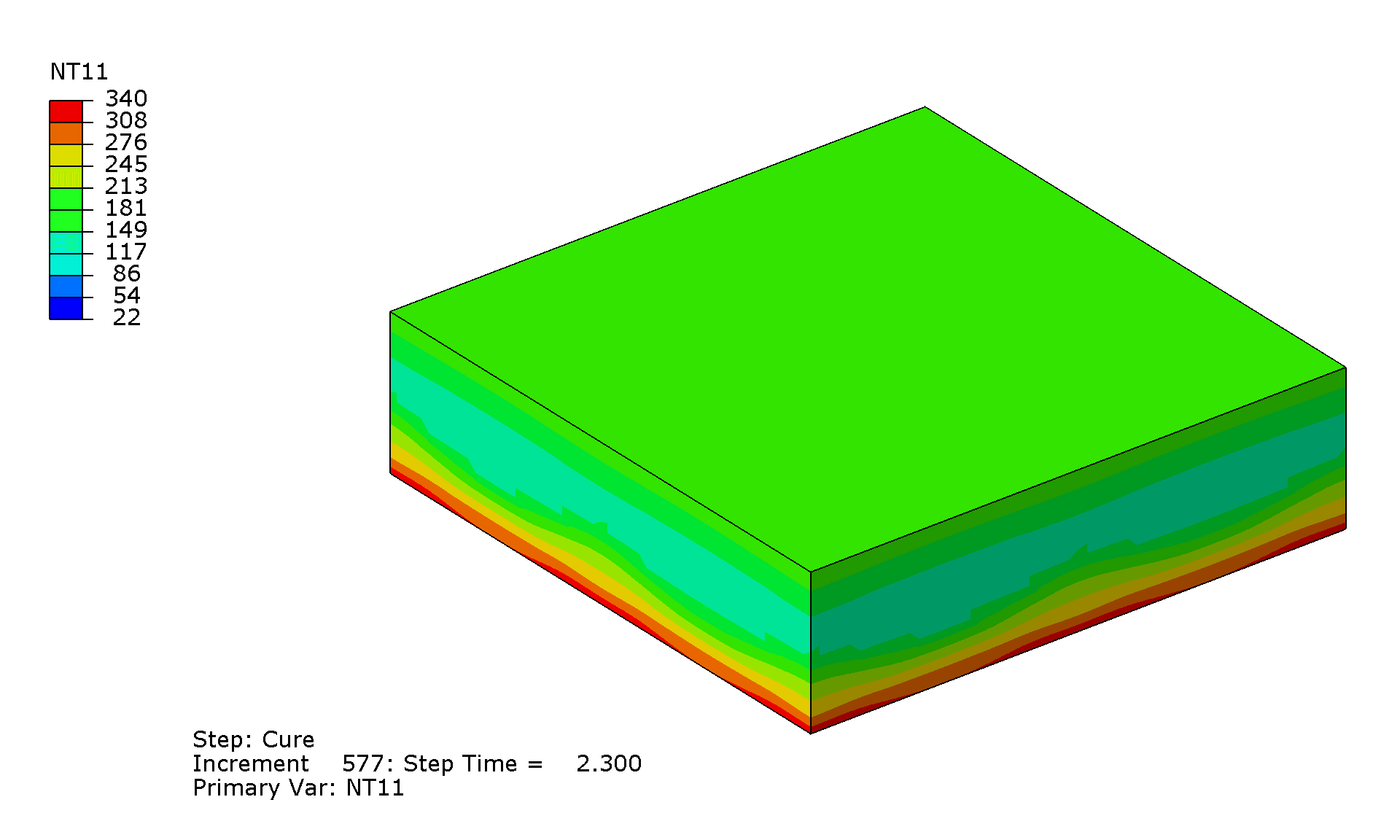
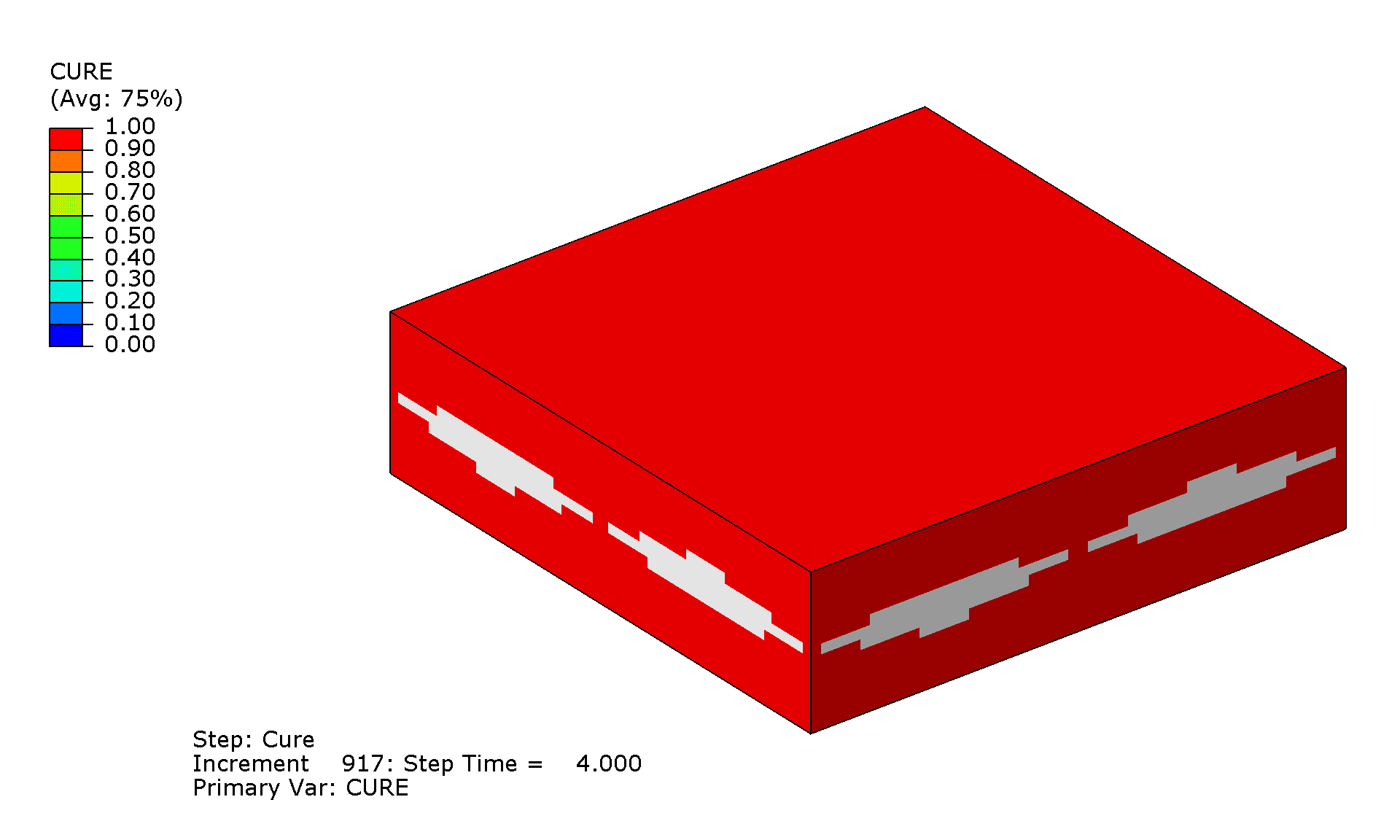
| Result | Abaqus | Reference |
|---|---|---|
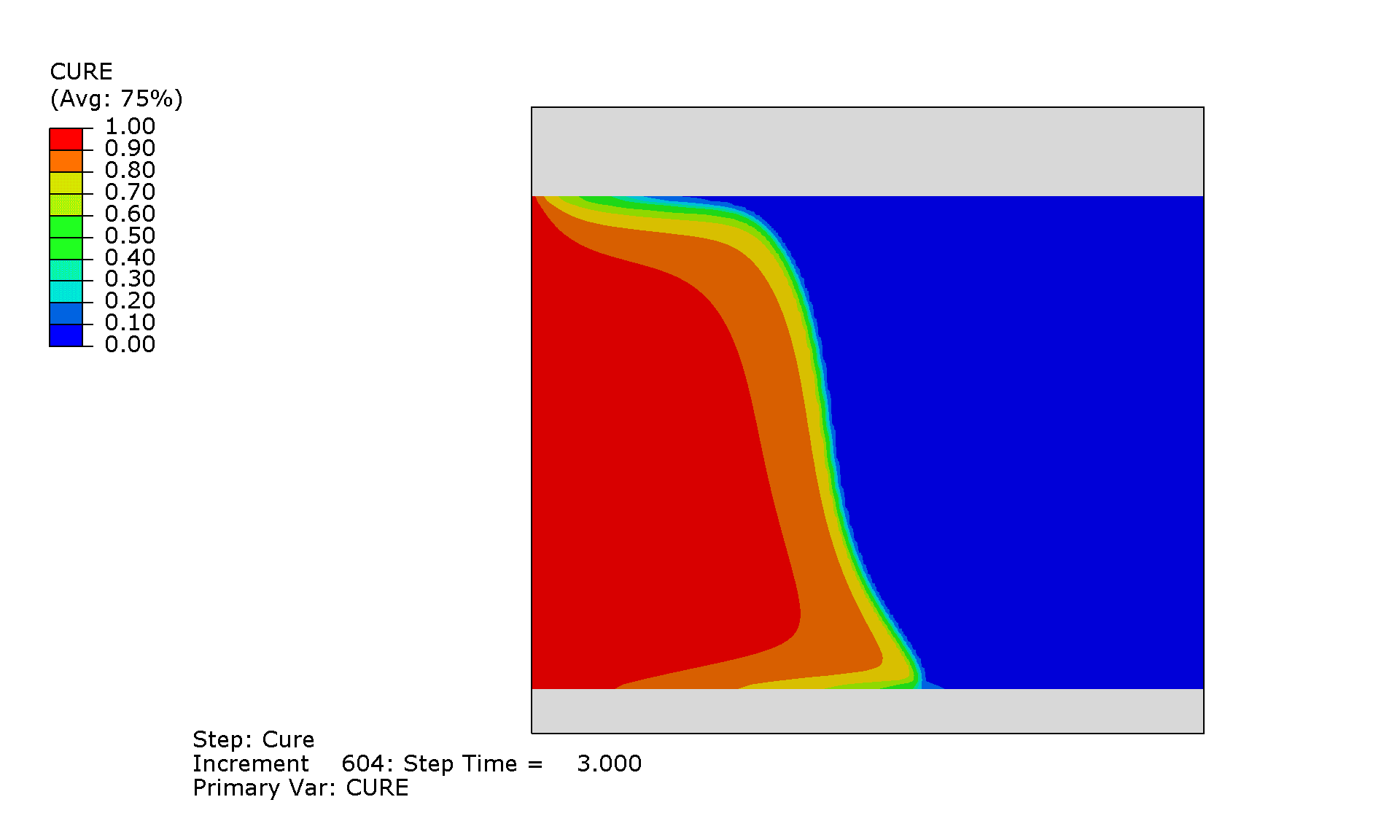
| Cure-front speed at mid-radius (mm/s) | 1.156 | Sharifi et al. 1.162 |
| Peak temperature (Celsius) | 222.6 | Wang et al. 223 |
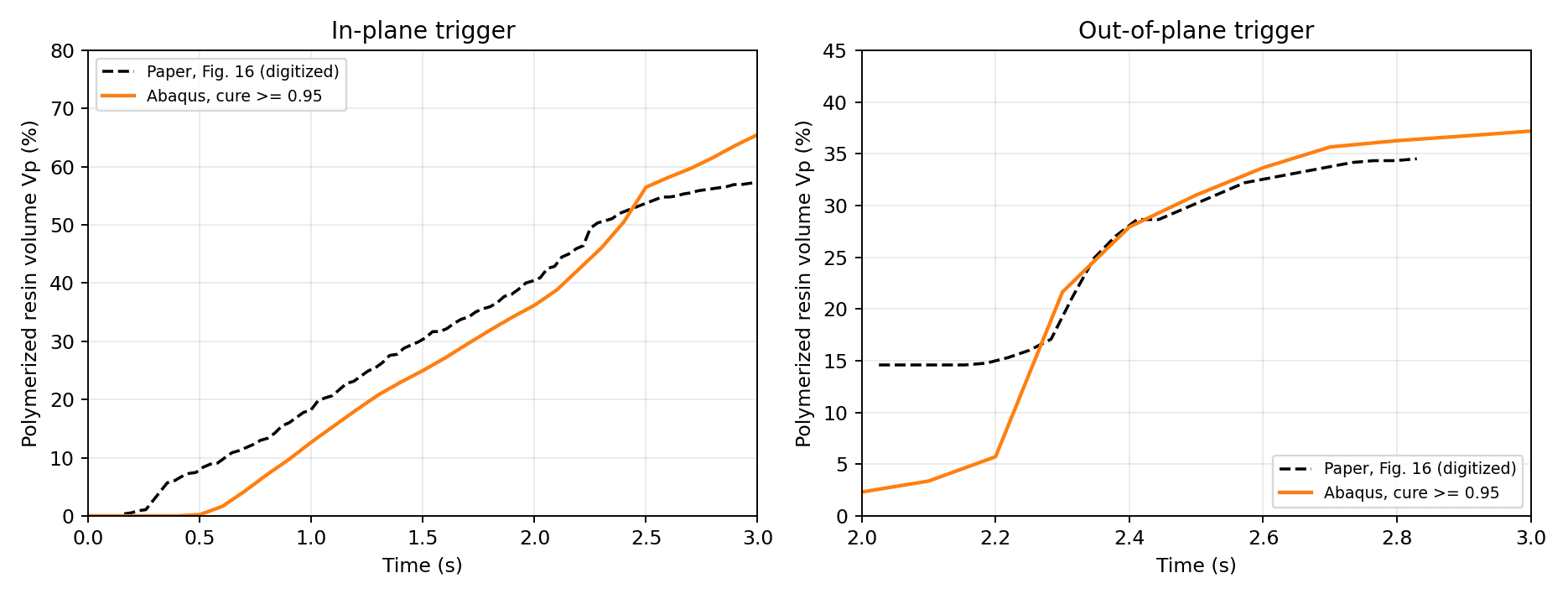
| Time (s) | In-plane Abaqus (%) | In-plane paper (%) | Out-of-plane Abaqus (%) | Out-of-plane paper (%) |
|---|---|---|---|---|
| 1.0 | 13 | 18 | – | – |
| 2.0 | 36 | 41 | – | – |
| 2.4 | 50.5 | 52 | 28 | 28 |
| 3.0 | 66 | 57 | 37 | 35 |
The Vp curves are compared with the reference paper curves over the first 3 s of the process. As in the paper, in-plane triggering advances faster than out-of-plane triggering, and the out-of-plane curve shows a sharp step at about 2.3 s once the resin around the tows ignites. Paper values are read from the published Vp curves (Figure 16 of Sharifi et al.) The front-speed reference is from Sharifi et al. and the temperature reference is from Wang (2022).
Composites and polymer-processing engineers, and researchers who want a working Abaqus reference for frontal polymerization: coupling cure kinetics to heat transfer through HETVAL, comparing in-plane and out-of-plane fronts in a woven unit cell, and extending the model with their own resin kinetics or fiber architecture.
Need more than the files?
There are two ways we can help. Book a one hour online consultation if you want to talk a problem through with a CAE engineer, using the checkbox in the order box. Order a project if you need a full simulation built for you, delivered to an agreed scope, price and deadline under a written contract.
We work on FEA and CFD for engineers, researchers and companies. Order your project, or message us on WhatsApp for a quick reply.
Other packages engineers working on this topic also download.
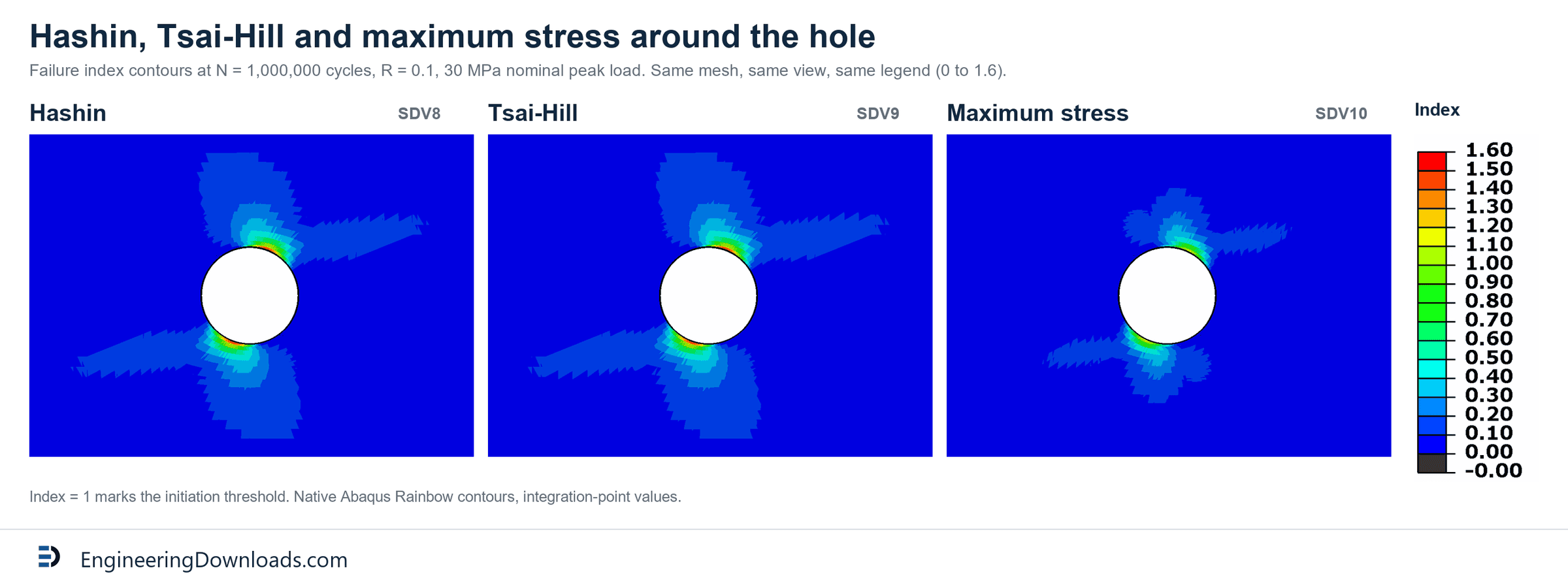 Composite Fatigue UMAT for Abaqus: Hashin, Tsai-Hill and Maximum-Stress Criteria€159,00
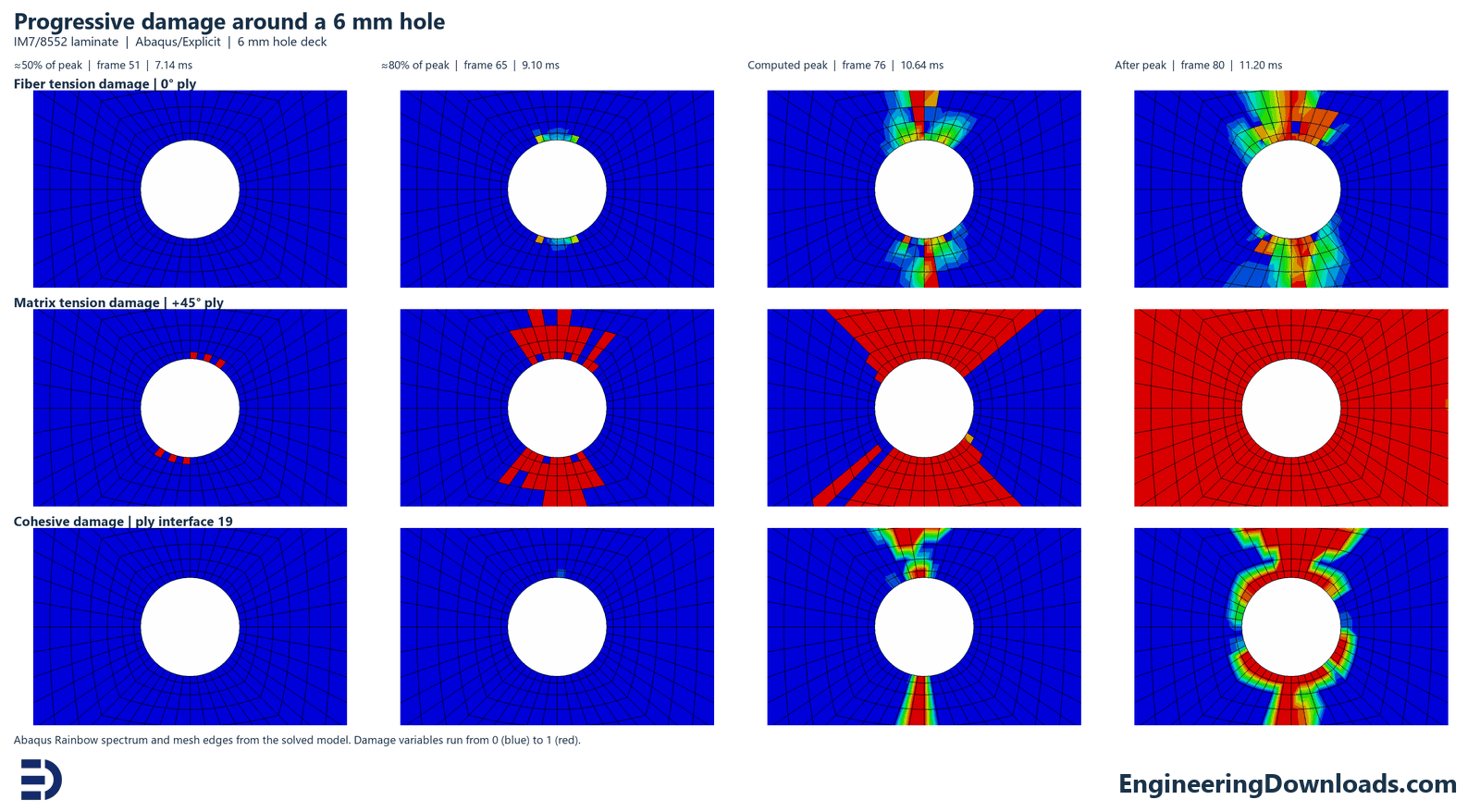 3D Hashin Progressive Damage VUMAT for Abaqus: Open-Hole Laminate with Cohesive Delamination€159,00
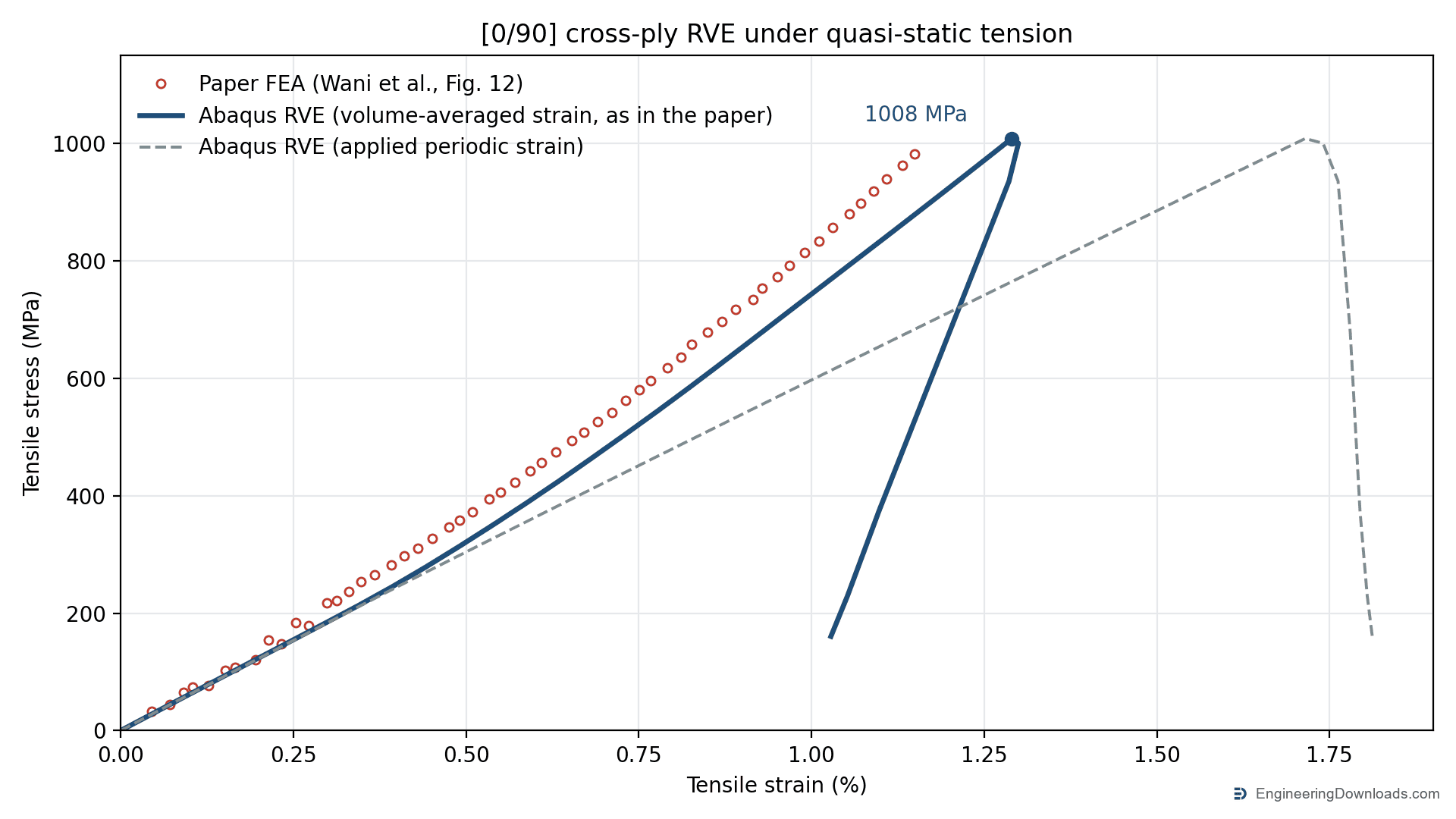 Cross-Ply CFRP Fatigue & Microscale Damage RVE in Abaqus (Wani et al.)€109,00
 Creep Damage Analysis of a Welded Steam Pipe Branch in Abaqus: UMAT, HAZ Hex Mesh and Paper Comparison€149,00
 Abaqus Phase-Field Fatigue Life: Validated Coupon Benchmark€169,00
 Phase Field Fracture in Abaqus: AT1/AT2 UMAT, Crack Initiation and Edge-Cracked Tension Benchmark (Kristensen et al. 2021)€169,00
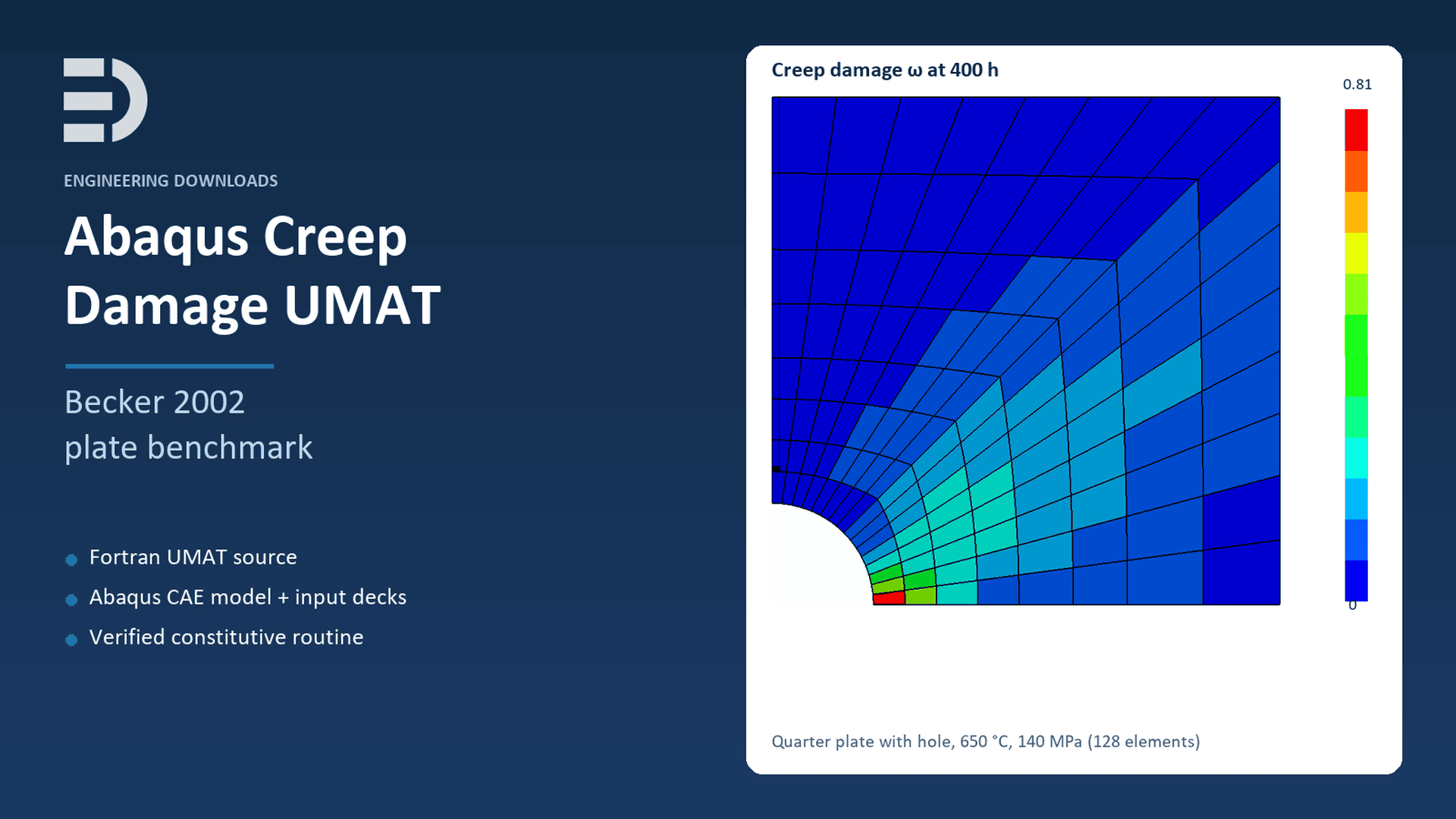 Creep Continuum Damage UMAT in Abaqus: Becker 2002 Perforated Plate Benchmark€49,00
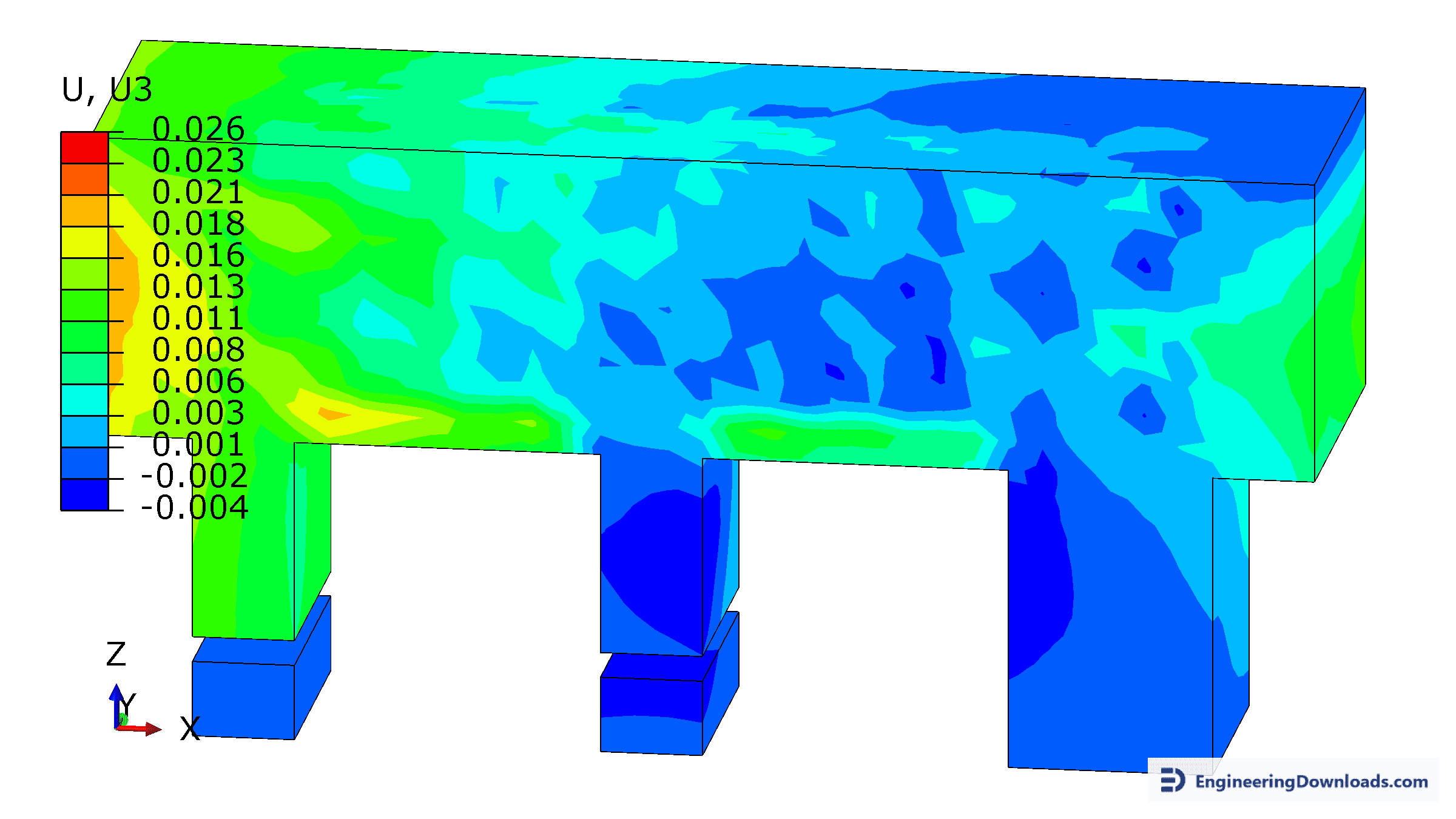 LPBF 316L Residual Stress and Cantilever Distortion in Abaqus: Sequentially Coupled Thermal-Stress Model with DFLUX and USDFLD Subroutines€159,00

Need a full custom project? See the options below.
€119,00
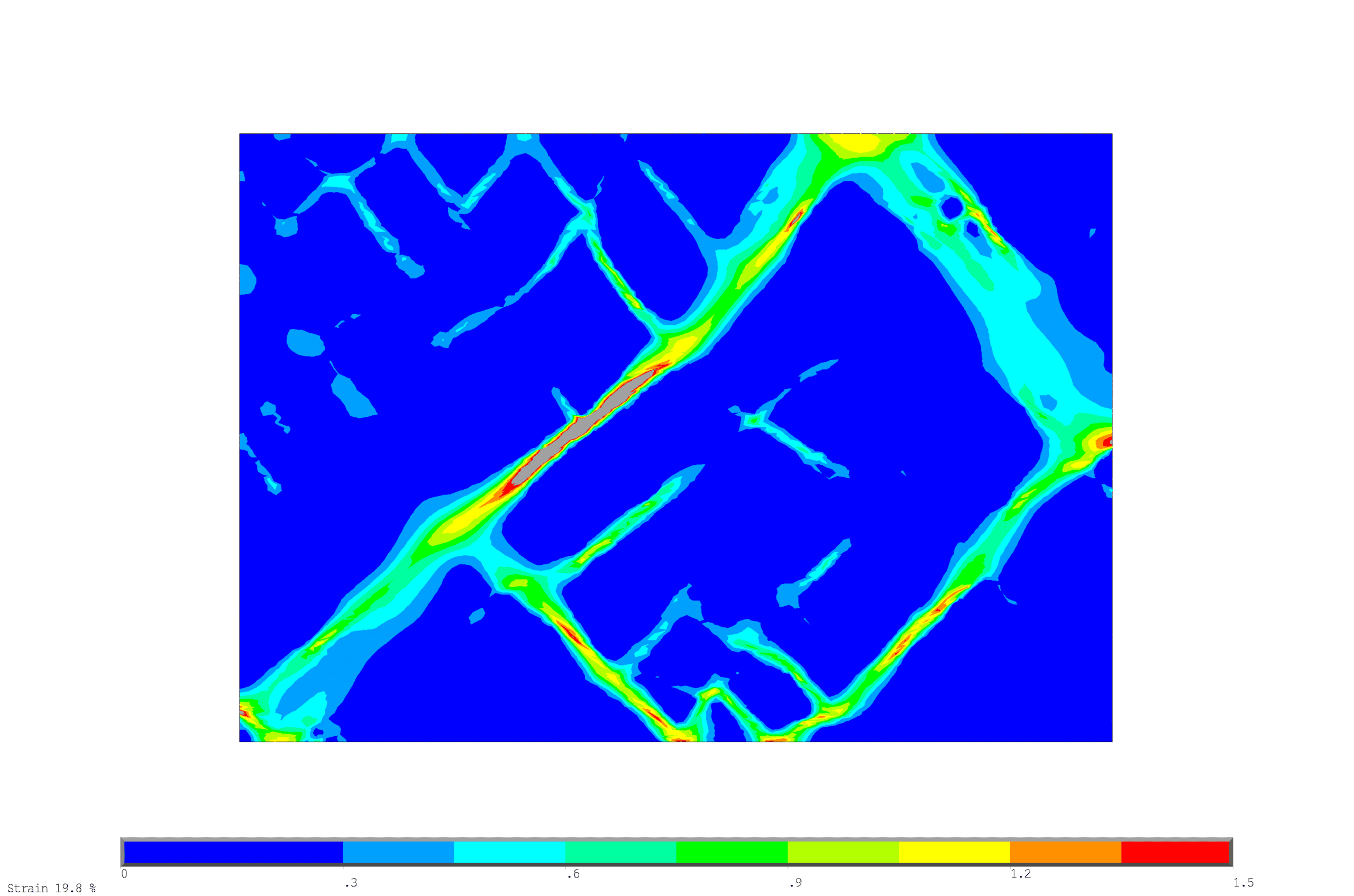
€129,00
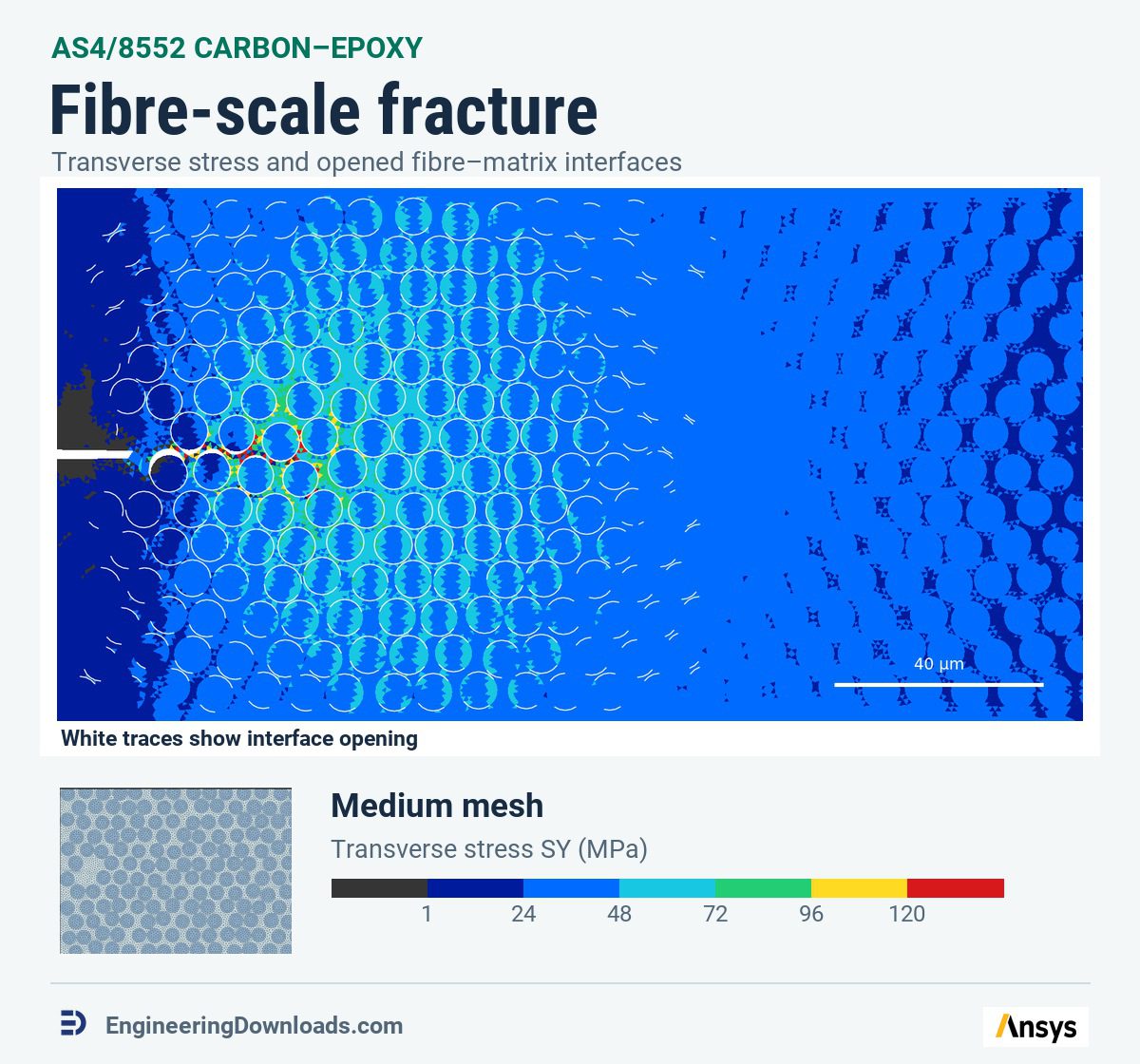
€179,00
€149,00
See more
Want to receive push notifications for all major on-site activities?