Engineering Downloads

Let’s Learn and Collaborate
Engineering Downloads

New Blogs

CATIA for Engineers: Master Product Design & Analysis Workflows

CATIA (Computer Aided Three-dimensional Interactive Application) is a cornerstone in the world of engineering design and manufacturing. Developed by Dassault Systèmes, it is much more than just a CAD software; it is a comprehensive multi-platform suite for computer-aided design, computer-aided
Digital Twin Technology
Mastering Digital Twin Technology: An Engineer’s Guide

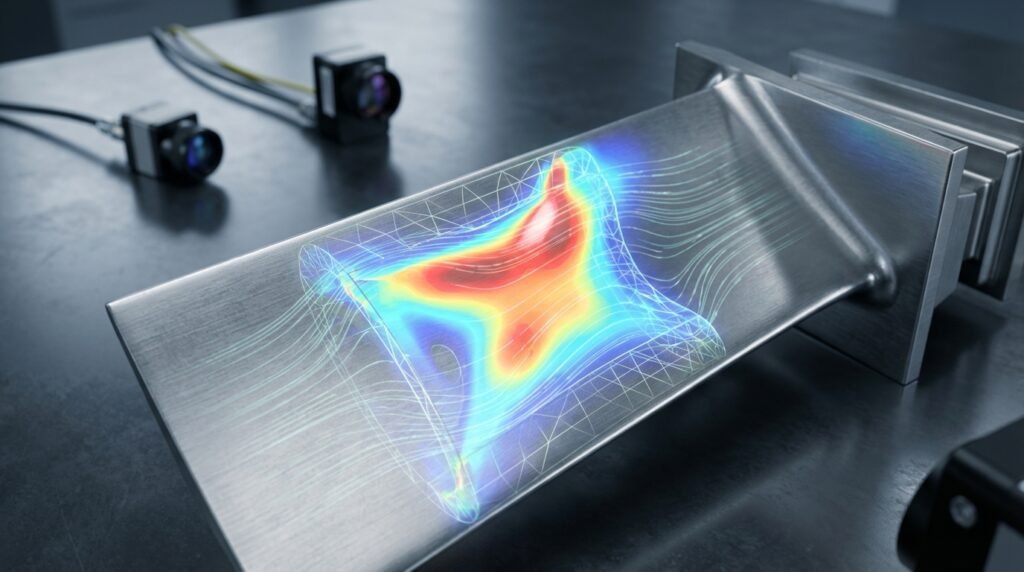
Digital Twins are rapidly transforming how engineers design, operate, and maintain complex systems. Far more than just a 3D model, a Digital Twin is a dynamic, virtual replica of a physical asset, process, or system, continuously updated with real-time data.

FSI Coupling
FSI Coupling: Master Fluid-Structure Interaction Simulation

In the vast world of engineering, understanding how different physical phenomena interact is crucial for designing safe, efficient, and robust systems. Among these interactions, the interplay between fluids and solid structures—known as Fluid-Structure Interaction (FSI)—stands out as particularly complex and

Residual Monitoring
Residual Monitoring: An Essential Engineering Guide

In the world of engineering, especially when dealing with critical components and structures, understanding and managing residual stresses is paramount. Residual monitoring isn’t just a buzzword; it’s a critical discipline that ensures the long-term reliability, safety, and operational efficiency of

CFD Consultancy
Mastering CFD: Your Guide to Expert CFD Consultancy

In the dynamic world of engineering, Computational Fluid Dynamics (CFD) has become an indispensable tool for simulating fluid flow, heat transfer, and related phenomena. From designing more efficient aircraft to optimizing biomedical devices, CFD empowers engineers to make informed decisions

Featured Blogs

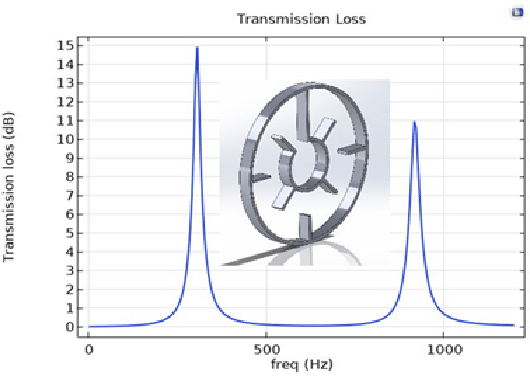
Acoustic metamaterials for advanced sound control and noise reduction
Acoustic Metamaterials and Metasurfaces: Shaping the Future of Sound Control

Intro Acoustic metamaterials and acoustic meta surfaces are changing how we control sound waves. These specially designed structures go beyond the limits of traditional soundproofing. They offer new ways to control sound, such as reducing noise over a wide frequency
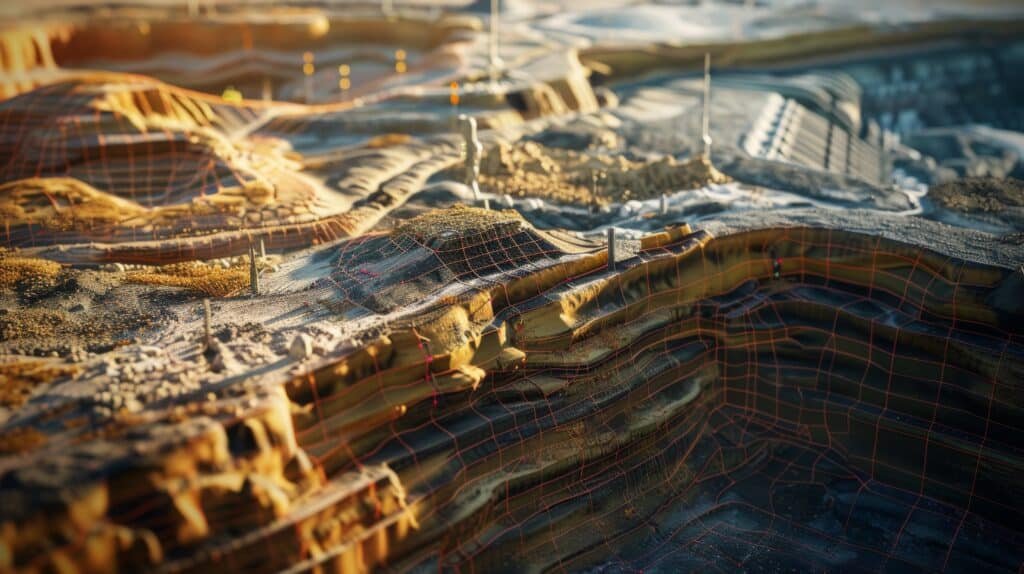
OpenSees software simulation of nonlinear seismic response in a reinforced concrete frame
OpenSees for Structural Analysis

OpenSees (Open System for Earthquake Engineering Simulation) is an open-source software framework developed primarily for nonlinear structural and geotechnical analysis, with a strong emphasis on earthquake engineering. Developed at UC Berkeley’s Pacific Earthquake Engineering Research Center (PEER), it provides a
Abaqus or ANSYS : Which one is better?
Which one is better? Abaqus or ANSYS?

As an engineer, we need to build a model to simulate a process so we can save many and reduce processing time. For this aim, we need to use conventional solvers such as Abaqus, ANSYS, Solidwork (I know, Solidwork solver

See more

Latest Blogs

CATIA engineering design
CATIA for Engineers: Master Product Design & Analysis Workflows

CATIA (Computer Aided Three-dimensional Interactive Application) is a cornerstone in the world of engineering design and manufacturing. Developed by Dassault Systèmes, it is much more than just a CAD software; it is a comprehensive multi-platform suite for computer-aided design, computer-aided

Digital Twin Technology
Mastering Digital Twin Technology: An Engineer’s Guide

Digital Twins are rapidly transforming how engineers design, operate, and maintain complex systems. Far more than just a 3D model, a Digital Twin is a dynamic, virtual replica of a physical asset, process, or system, continuously updated with real-time data.
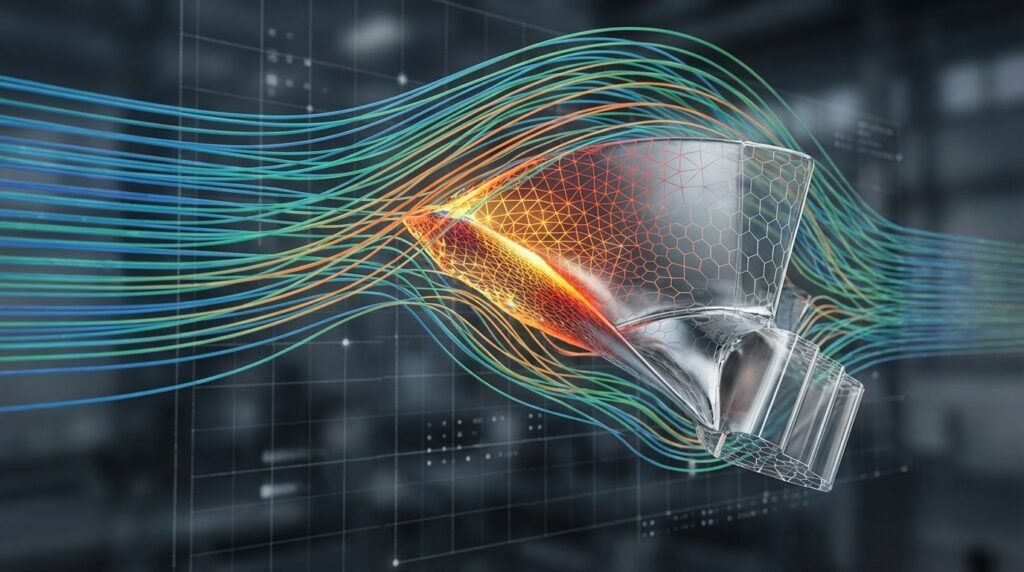
FSI Coupling
FSI Coupling: Master Fluid-Structure Interaction Simulation

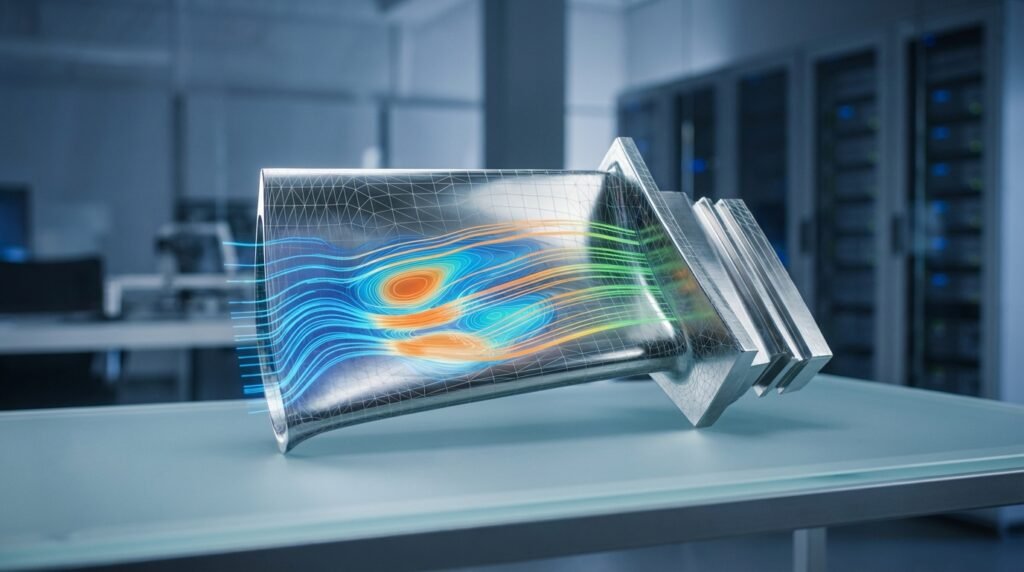
In the vast world of engineering, understanding how different physical phenomena interact is crucial for designing safe, efficient, and robust systems. Among these interactions, the interplay between fluids and solid structures—known as Fluid-Structure Interaction (FSI)—stands out as particularly complex and

See more

All articles

large deformation via user material
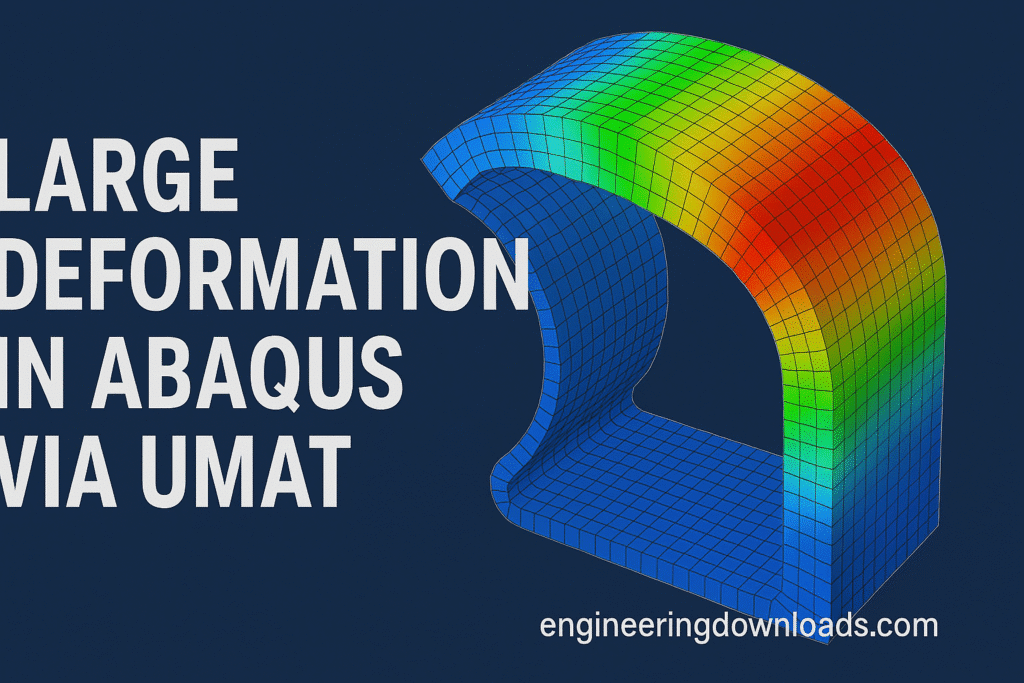
Large Deformation in ABAQUS via UMAT

1. An Introduction to Non-Linear Continuum Mechanics Finite deformation (also called large deformation or finite strain theory) is a framework in continuum mechanics that describes the behavior of materials undergoing significant volume changes, where strains and rotations are not small.

FEM simulation of martensitic transformation during welding Solid phase transformation welding
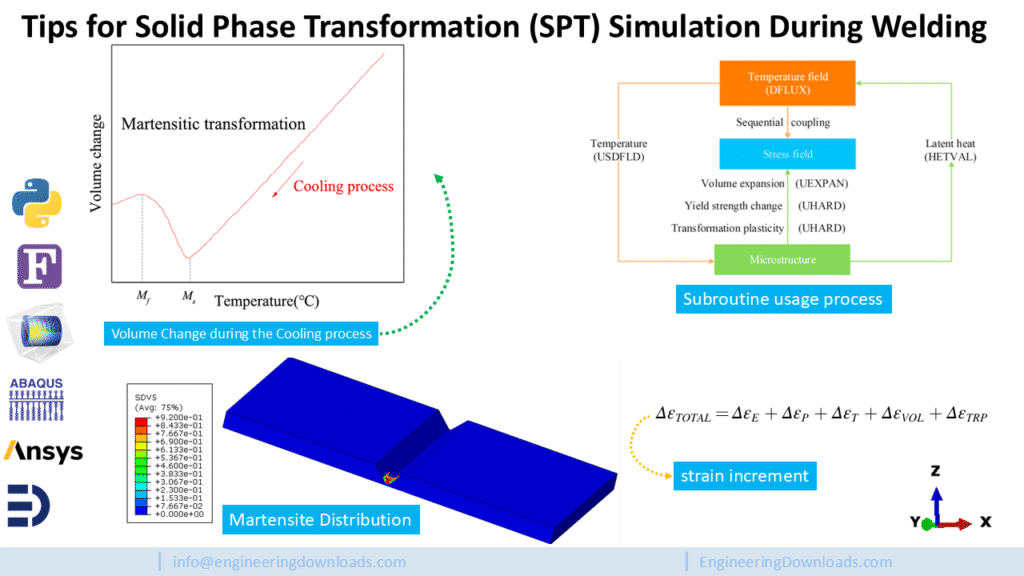
Tips for FEM Analysis of Solid Phase Transformation During Welding

Welding is one of the most critical processes in mechanical and structural engineering. Beyond simply joining metals, it introduces complex thermal cycles, stress fields, and microstructural transformations that can significantly affect the performance of the welded joint. For high-temperature steels

Illustration of thermal expansion causing material stress
Thermal Expansion: Holding bad boys in their prison

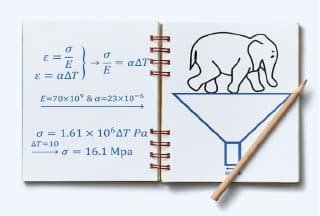
Confession Time: I sometimes totally underestimate thermal expansion it looks so innocent on paper! 🤓 Let’s break it down: We’ve all seen that classic formula strain = ΔT × α, where α (alpha) is the material’s “how much do I

History of FEA COMPUTATION TIME
History of FEA Computation Time

In the past decade, processor performance has increased significantly, leading to a huge jump in computational speed. For example, the first computers, such as the ENIAC, could perform 385 multiplications per second, whereas modern processors can perform more than 11

Creep strain vs stress relaxation
Creep Strain vs Stress Relaxation, A practical guide for CAE users

Description Learn what creep is, how temperature and stress control creep life, and which creep models CAE tools (ANSYS, COMSOL, Abaqus and others) use. Simple equations, practical CAE workflows, ASME / code context, and industrial project examples (boilers, pressure vessels,

Finite element simulation of stent foreshortening in a coronary artery
Foreshortening During Stent Expansion: Why It Matters in Cardiovascular Simulations

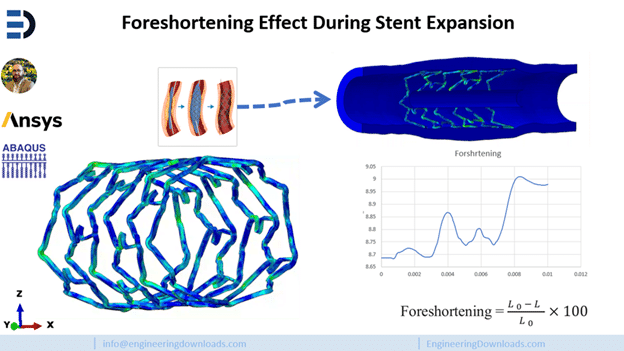
Intro When placing a stent in a coronary artery, we expect it to hold its shape and position—but did you know that stent length can shorten by up to 10% during expansion? This change, known as foreshortening, is one of

Comparison of hyperelastic materials and linear elastic models
Hyper Elastic vs Linear Elastic Materials: Key Differences & Applications

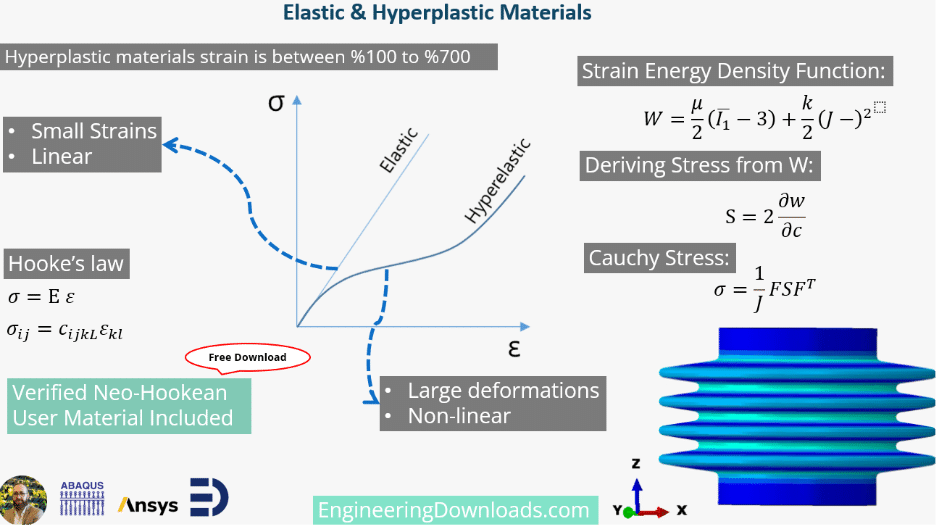
Intro When designing materials for engineering applications, understanding their stress-strain behavior is critical. Two fundamental categories dominate this space: linear elastic and hyperelastic materials. Here’s what you need to know and why it matters. Linear Elastic Materials: Simplicity at Small

My FEM Software Journey: The Good, The Bad & The “Aha!” Moments

I’ve been quiet for a while, but for good reason—more on that later. Today, I’m sharing the messy, challenging, and surprisingly fulfilling path I took to learn commercial FEM software. If you’re navigating the same struggles in your FEM software

Linking Abaqus and FORTRAN: A Step-by-Step Guide

In this tutorial, we aim to explain the first step of subroutine programming in the Abaqus software, which is linking the Abaqus software and FORTRAN compiler. You can watch the video tutorial for additional tips, more detailed explanations, and a

Goldak Heat Input Model in Abaqus
Goldak Heat Input Model for Welding and Additive Manufacturing

Introduction In the present blog post, we explore the complexities of simulating Additive Manufacturing (AM) through Abaqus, under the guidance of Saman Hosseini. Specifically, our attention centers on incorporating the Goldak heat source model to conduct an in-depth examination of

Specialized Plasticity Models in Abaqus
Plastic behavior in ABAQUS-2: Specialized Plasticity Models

Introduction In our previous blog, we delved into the fascinating world of plastic behavior models, focusing on their application to metals and general materials. Now, get ready to take your understanding to the next level as we turn our attention

Plastic behavior in ABAQUS-1: Metals and General Materials

Different material behaviors The material library in Abaqus provides a wide range of options for modeling various engineering materials, such as metals, plastics, rubbers, foams, composites, granular soils, rocks, plain and reinforced concrete, and also different material behavior models including

See more