As an engineer, your journey is one of continuous learning, problem-solving, and innovation. But beyond the technical challenges and groundbreaking projects, a crucial aspect of your professional life is your income growth. Understanding how to strategically elevate your earnings is key to long-term career satisfaction and financial security.

Image by OpenClipart-Vectors via Pixabay, edited for context.
The Engineering Career Landscape: Understanding Your Earning Potential
The engineering field is vast, offering diverse specializations and career paths. Your earning potential is influenced by a complex interplay of factors, from the specific niche you occupy to your geographic location and accumulated experience.
Factors Influencing Engineer Salaries
Several elements collectively determine an engineer’s salary trajectory. Being aware of these can help you make informed decisions about your career path.
Industry & Specialization
Certain industries and specializations naturally command higher compensation due to demand, complexity, or risk. For instance:
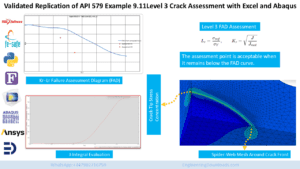
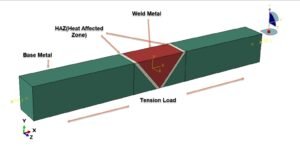
- Oil & Gas: Often offers premium salaries, especially for roles in FFS Level 3 assessments, structural integrity, and pipeline engineering, due to high stakes and specialized knowledge in environments like deepwater platforms.
- Aerospace: Roles involving advanced CFD for aerodynamic optimization or structural analysis with Abaqus for flight safety can be highly lucrative.
- High-Tech & Software Engineering: Software-focused engineers, especially those proficient in Python for data analysis or MATLAB for control systems, often see rapid income growth.
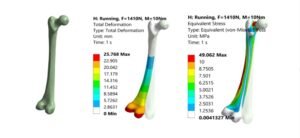
- Biomedical Engineering: Specialties in biomechanics, medical device design, or simulation (e.g., using ANSYS for implant analysis) are growing fields with competitive salaries.
Experience & Education
It’s no surprise that experience correlates with higher pay. Entry-level engineers typically start at a foundational salary, which increases significantly with:
- Years of Experience: Each year brings more practical knowledge, problem-solving acumen, and project leadership opportunities.
- Advanced Degrees: A Master’s or Ph.D. in a specialized engineering field can open doors to research and development roles, often with a higher starting salary and faster growth trajectory.
- Professional Certifications: Achieving a Professional Engineer (PE) license or specialized certifications (e.g., in project management, FFS, or specific software) can significantly boost your market value.
Location & Company Size
Where you work and for whom also matters. Major metropolitan areas or regions with high demand for engineers (e.g., Silicon Valley for tech, Houston for oil & gas) often have higher cost-of-living adjusted salaries. Larger, more established companies typically offer more structured compensation packages, including benefits and bonuses, compared to startups, though startups can sometimes offer equity for higher long-term potential.
Strategic Pillars for Accelerating Your Income Growth
To proactively drive your engineer income growth, focus on three interconnected pillars: deepening technical expertise, continuous professional development, and strategic networking.
Pillar 1: Deepening Technical Expertise & Specialization
Your technical skills are your primary currency. Investing in their depth and breadth is paramount.
Mastering Core Software & Tools
Proficiency in industry-standard software is non-negotiable. Becoming an expert in specific tools makes you invaluable.
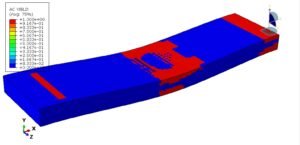
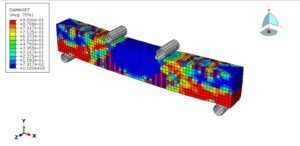
- FEA/Structural Analysis: Deep mastery of Abaqus, ANSYS Mechanical, or MSC Nastran is critical for structural engineers, especially in aerospace, automotive, or civil infrastructure. Understanding non-linear analysis, fatigue, and fracture mechanics using these tools is a high-value skill.
- CFD Simulation: Expertise in Fluent, ANSYS CFX, or OpenFOAM for fluid dynamics, heat transfer, and aerodynamic analysis (e.g., for turbomachinery or industrial processes) puts you in high demand.
- CAD/CAE Workflows: Seamless integration with CAD software like CATIA, SolidWorks, or NX, and the ability to automate CAD-CAE workflows, are efficiency drivers that employers value. Understanding how to prepare models for simulation efficiently saves significant time and resources.
- Programming & Automation: Python and MATLAB are essential for data processing, scripting simulations, post-processing results, and developing custom tools. Automation skills can transform a slow, manual process into a rapid, repeatable one, a huge asset for any engineering team.
Becoming a Subject Matter Expert (SME)
Don’t just be good; be the go-to person. Specializing in a niche area, like FFS Level 3 assessments, advanced composite materials, or biomechanical implant design, positions you as an irreplaceable asset. This often means tackling complex problems that others cannot, leading to higher compensation.
Cross-Disciplinary Skills
While specialization is key, having a foundational understanding across disciplines (e.g., a structural engineer with basic CFD knowledge, or a mechanical engineer understanding control systems using MATLAB) enhances your versatility and problem-solving capabilities, making you more valuable to a project or company.
Pillar 2: Professional Development & Certifications
Formal development and recognized credentials validate your expertise and commitment to your craft.
Advanced Degrees & Professional Licenses
- Master’s or Ph.D.: Pursuing postgraduate education can unlock advanced R&D roles, teaching positions, or specialized consulting opportunities that often come with significant salary bumps.
- Professional Engineer (PE) License: For many fields, especially civil, mechanical, and electrical, a PE license is a hallmark of competency and is often required for sealing designs or holding leadership positions, directly impacting earning potential.
Project Management & Leadership Training
As you gain experience, transitioning into project management or leadership roles is a natural progression that significantly boosts income. Certifications like Project Management Professional (PMP) or lean Six Sigma demonstrate your ability to manage projects, teams, and budgets effectively.
Engineering Downloads Resources: Your Growth Partner
To support your journey in mastering tools and advanced concepts, consider leveraging resources like EngineeringDownloads.com. We offer a wealth of downloadable templates, project files, and Python/MATLAB scripts tailored for FEA, CFD, and CAD-CAE workflows. Our platform also provides online tutoring and consultancy, offering personalized guidance to help you navigate complex simulations or refine your career strategy.
Pillar 3: Networking & Personal Branding
Your professional network and reputation are powerful tools for career advancement and income growth.
Building Your Professional Network
- Attend Conferences & Workshops: Engage with peers, industry leaders, and potential mentors. These events are excellent for learning about emerging trends and job opportunities.
- Join Professional Organizations: Associations like ASME, ASCE, IEEE, or SPE offer networking events, publications, and professional development resources.
- Online Platforms: Utilize LinkedIn to connect with professionals in your field, share insights, and stay updated on industry news.
Showcasing Your Expertise
Develop a strong personal brand. This could involve:
- Contributing to industry blogs or publications.
- Presenting at conferences or webinars.
- Maintaining an online portfolio of your projects, demonstrating your proficiency in tools like Abaqus, ANSYS, or your custom Python scripts.
- Mentoring junior engineers, which reinforces your own understanding and leadership abilities.
Practical Workflow: Engineering Your Career Path
Think of your career growth as an engineering project. It requires planning, execution, and continuous optimization.
Step 1: Self-Assessment & Goal Setting
Start by understanding where you are and where you want to go.
- Identify Your Strengths: What engineering areas do you excel in? Are you an expert in structural analysis using ANSYS, or proficient in CFD with OpenFOAM?
- Pinpoint Your Passions: Which engineering problems excite you the most? Working on what you love makes sustained effort easier.
- Define Your Income Goals: Set realistic, measurable targets for your desired salary increase over specific timeframes (e.g., 10% increase in 2 years).
- Research Market Trends: Use salary surveys and industry reports to understand the demand for your skills and potential compensation in your target roles.
Step 2: Skill Gap Analysis & Learning Plan
Once you know your goals, identify the skills needed to get there.
- Gap Identification: Compare your current skill set against the requirements for your target roles. For example, if you aim for a lead FFS Level 3 position, do you need more experience with advanced fracture mechanics simulations in Abaqus?
- Learning Resources: Plan how you’ll acquire these skills. This could involve online courses, specialized workshops (e.g., on Python for engineering automation), certifications, or even self-study through detailed software manuals.
- Timeline: Create a realistic timeline for acquiring each new skill or certification.
Step 3: Portfolio & Project Building
Practical application reinforces learning and provides tangible evidence of your abilities.
- Side Projects: Work on personal projects that apply your new skills. For instance, simulate a complex fluid flow problem using Fluent/CFX or design a novel structural component with CATIA and analyze it in MSC Patran/Nastran.
- Open-Source Contributions: If you’re focusing on programming, contribute to open-source engineering projects (e.g., OpenFOAM development or Python libraries for engineering tasks).
- Documentation: Document your projects thoroughly, showcasing your workflow, assumptions, results, and insights. This forms a robust portfolio for job applications or client pitches.
Step 4: Strategic Job Search & Negotiation
When it’s time to make a move or seek a raise, approach it strategically.
- Tailor Your Resume: Customize your resume and cover letter for each application, highlighting the skills and experiences most relevant to the role. Emphasize your expertise with specific tools like ADAMS for multibody dynamics or advanced Python scripting.
- Practice Interviewing: Be ready to discuss your projects, problem-solving approaches, and how you apply your technical skills.
- Negotiate Effectively: Research typical salary ranges for your target role and location. Clearly articulate your value proposition, referencing your specialized skills and project successes. Don’t be afraid to negotiate for better compensation and benefits.
Verification & Sanity Checks for Your Career Strategy
Just as you’d verify simulation results, regularly check the validity of your career growth strategy.
Validating Your Skill Set
- Certifications: Are your certifications recognized and valued in your target industry?
- Peer Review: Have you sought feedback from mentors or senior engineers on your technical abilities and project outputs?
- Real-World Application: Are you actively applying your skills in challenging projects that stretch your capabilities?
Market Demand Alignment
- Job Market Analysis: Regularly scan job postings to see if your acquired skills are in demand. Are companies actively seeking engineers with experience in structural integrity using Abaqus, or biomechanics simulation?
- Industry Trends: Stay updated on emerging technologies and methodologies. Is AI/ML becoming crucial in your field? Are new materials or manufacturing processes changing the landscape?
Regular Performance Review
- Self-Evaluation: Annually review your progress against your income and career goals.
- Manager Feedback: Seek regular performance feedback from your manager, specifically discussing your growth areas and compensation expectations.
- Networking Insights: Talk to peers and mentors about market compensation trends and career paths they’ve observed.
Common Pitfalls to Avoid in Your Income Growth Journey
Even the most meticulously planned career can hit roadblocks. Be aware of these common pitfalls:
- Stagnation: Relying solely on your initial degree and not pursuing continuous learning can lead to your skills becoming obsolete.
- Lack of Specialization: Being a generalist can make it harder to command top-tier salaries. While breadth is good, depth in a high-demand niche is often better for income growth.
- Poor Networking: Isolating yourself professionally limits opportunities and insights into market value.
- Ignoring Soft Skills: Communication, leadership, and problem-solving skills are just as crucial as technical prowess, especially for advancing into higher-paying management roles.
- Under-negotiating: Accepting the first offer without negotiation can leave significant money on the table over your career span.
- Job Hopping Too Frequently: While strategic job changes can boost income, excessive hopping can signal instability to potential employers.
Illustrative Salary Growth Across Engineering Specializations
Here’s an illustrative table showing potential salary ranges and growth based on experience and specialization. These figures are illustrative and can vary significantly by location, company, and specific responsibilities.
| Specialization | Entry-Level (0-2 Yrs) | Mid-Career (5-10 Yrs) | Senior/Expert (15+ Yrs) | Key Skills for Growth |
|---|---|---|---|---|
| Structural Engineer (FEA) | $65,000 – $80,000 | $90,000 – $120,000 | $130,000 – $180,000+ | Abaqus, ANSYS Mechanical, FFS Level 3, advanced materials, Python scripting for automation. |
| CFD Engineer (Aerospace/O&G) | $70,000 – $85,000 | $95,000 – $130,000 | $140,000 – $190,000+ | Fluent/CFX, OpenFOAM, multiphase flow, turbulence modeling, parallel computing, MATLAB. |
| Biomechanics Engineer | $60,000 – $75,000 | $85,000 – $115,000 | $125,000 – $170,000+ | ANSYS, Abaqus, medical device design, Python for data analysis, regulatory knowledge. |
| Automation/Simulation Engineer | $68,000 – $82,000 | $92,000 – $125,000 | $135,000 – $185,000+ | Python, MATLAB, CAD-CAE integration, scripting, optimization, software development. |
| Project Engineer (O&G/Heavy Industry) | $75,000 – $90,000 | $100,000 – $140,000 | $150,000 – $200,000+ | PMP, risk management, regulatory compliance, client management, technical leadership. |
Further Reading
For more detailed statistics and insights into engineering salaries across various fields, consult the U.S. Bureau of Labor Statistics’ Occupational Outlook Handbook for Engineers: Engineers – Occupational Outlook Handbook