Engineering Downloads
Let’s Learn and Collaborate
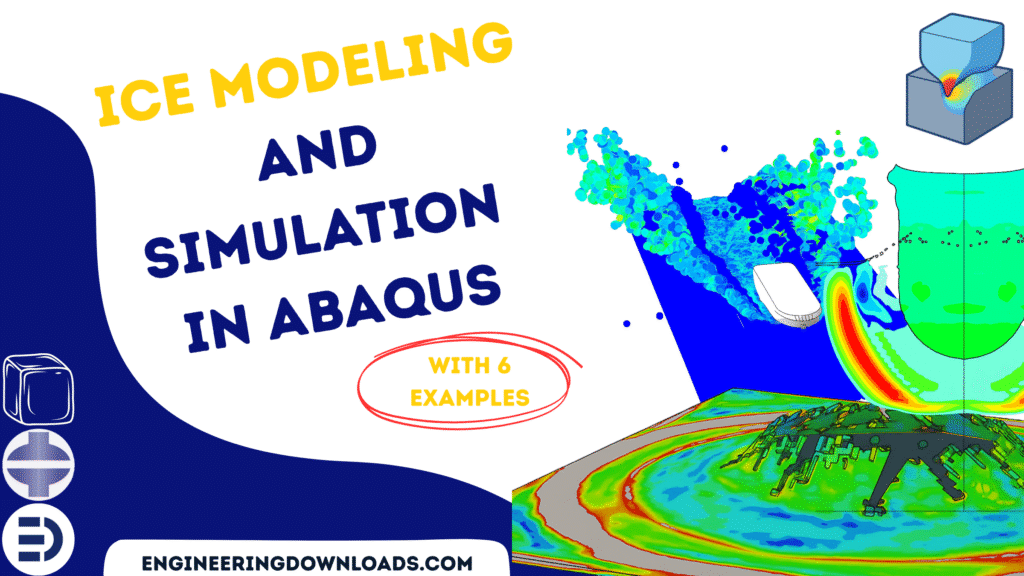
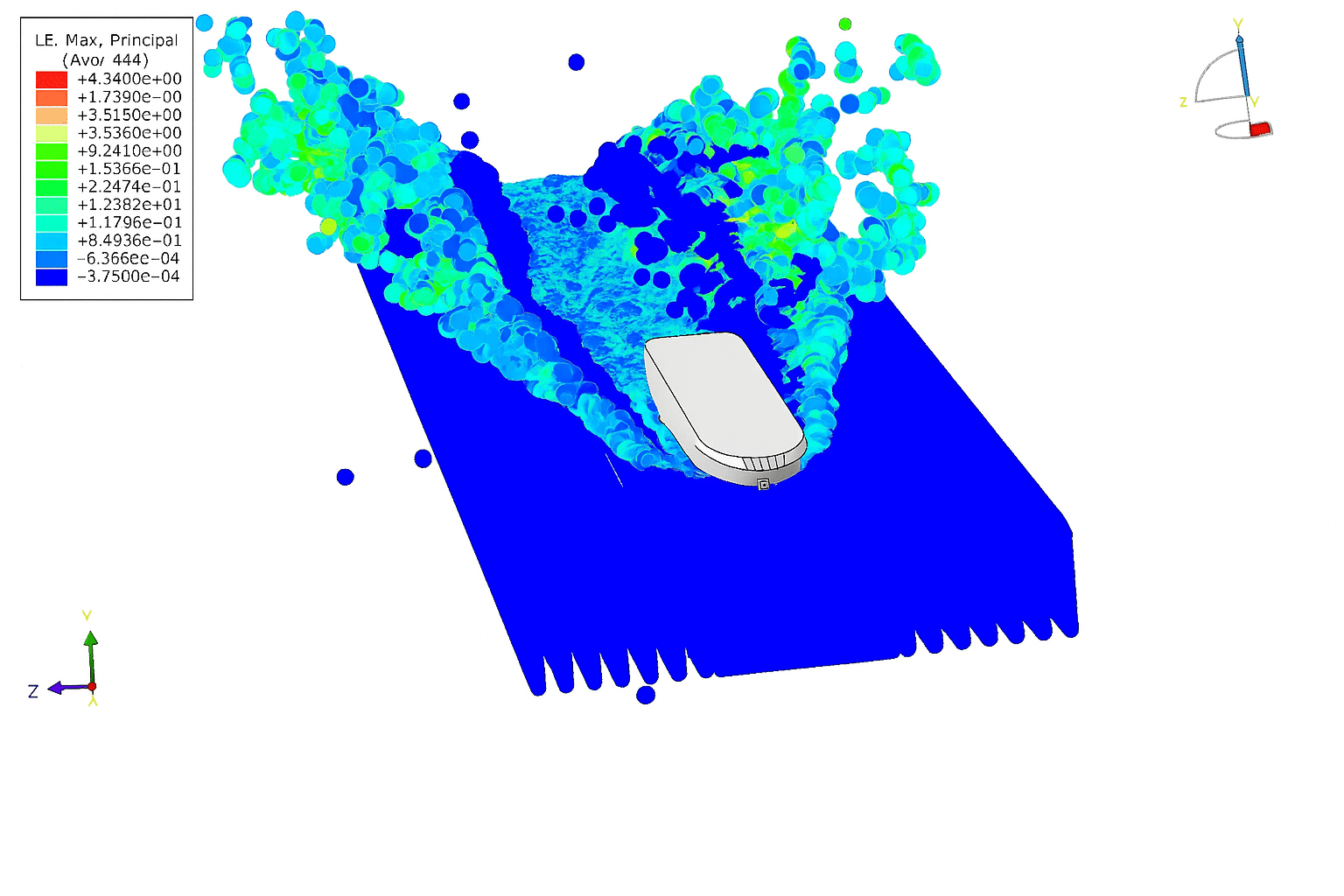
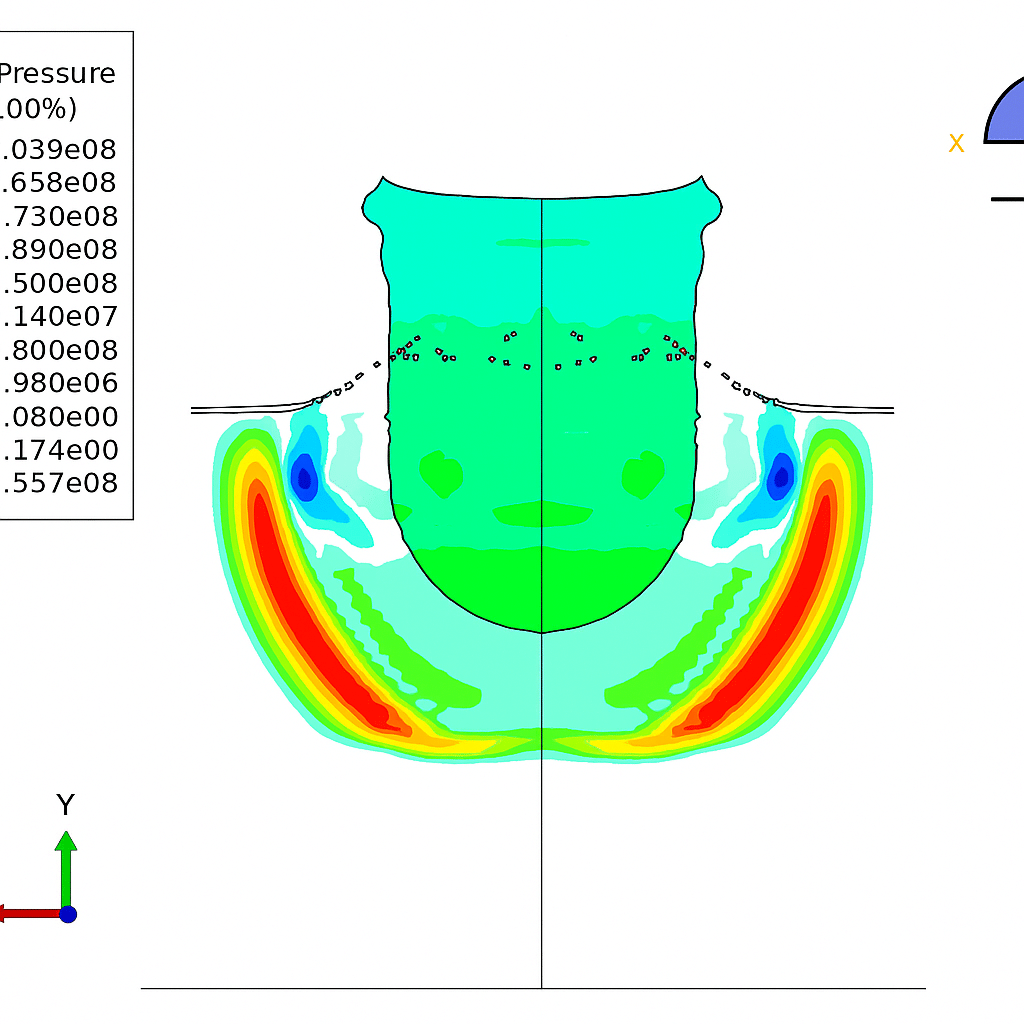
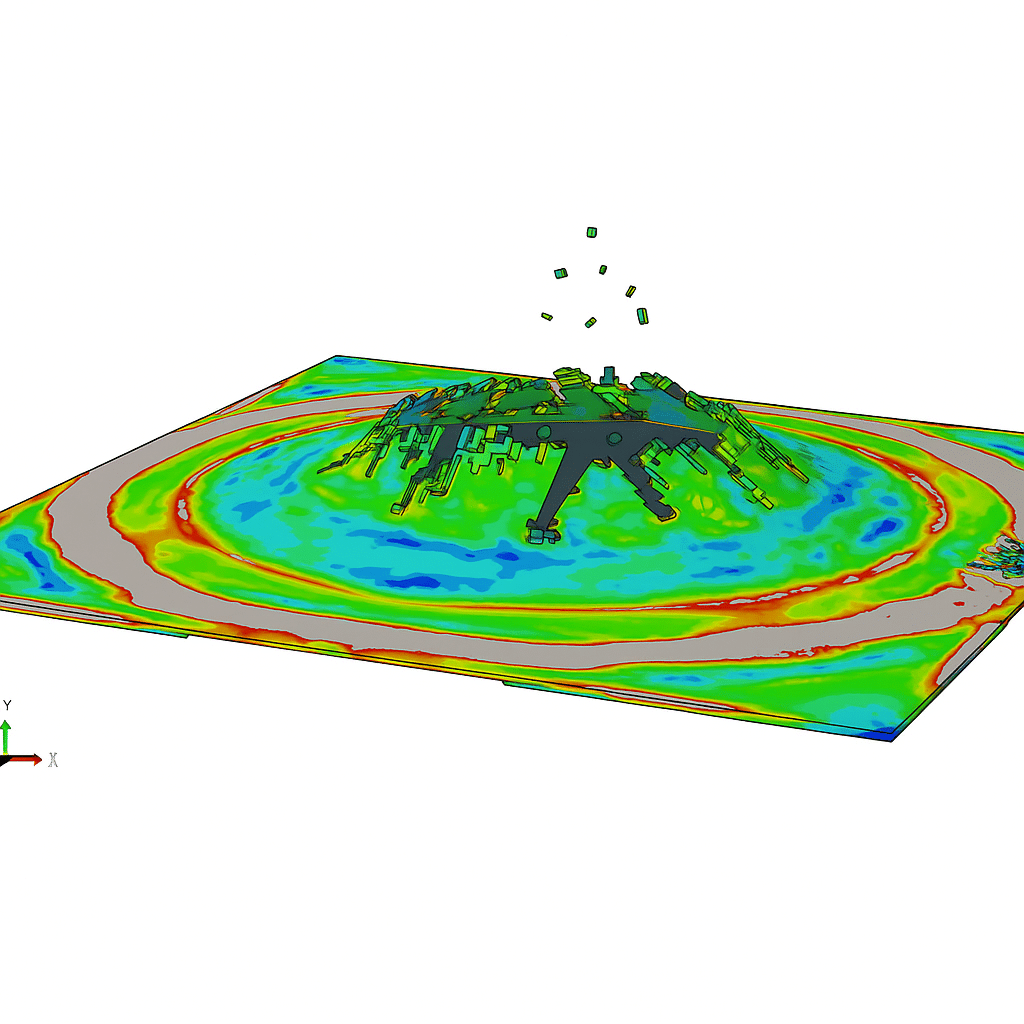
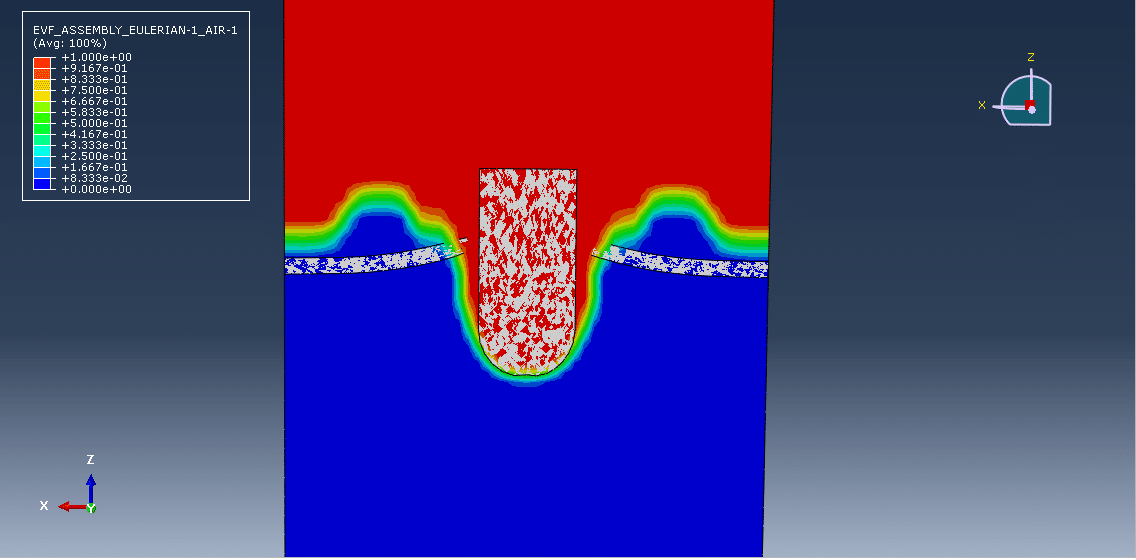
Ice modeling and simulation is the computational study of how ice forms, evolves, moves, and interacts with its environment. It combines physics, mathematics, and computational methods to predict ice behavior in natural and engineered systems.
Applications span:
Any realistic ice simulation must account for multiple interlinked phenomena:
Ice modeling typically involves partial differential equations (PDEs) derived from:
Mass conservation:
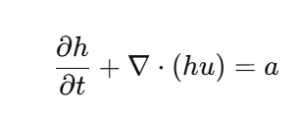 where h is ice thickness, u is velocity, and a is accumulation/melt rate.
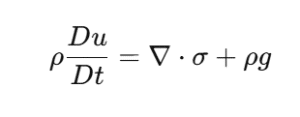 where σ is the stress tensor, g is the gravity.
These are often nonlinear and require numerical methods for solutions.
Different levels of complexity are used depending on goals and computational resources:
Common numerical methods include:
The JH-2 model (short for Johnson–Holmquist 2) is a constitutive model originally developed for brittle materials, like ceramics, rock, and concrete, to predict their behavior under high pressures, shear strains, and strain rates. It captures both the strength increase under compression and progressive damage due to fracturing.
Ice exhibits brittle fracture behavior, strain-rate dependence, and pressure sensitivity, characteristics well encapsulated by the JH-2 framework. By calibrating the model’s material constants to ice-specific behavior (e.g., texture, temperature, strain-rate), one can simulate realistic responses of ice under dynamic loads such as impacts or collisions.

Abaqus
€97,00 €54,00
Engineering files
€60,00 €50,00
Abaqus
€146,00 €89,00
Abaqus
€85,00 €47,00
Abaqus
€78,00 €39,00
See more

Want to receive push notifications for all major on-site activities?