Engineering Downloads
Let’s Learn and Collaborate
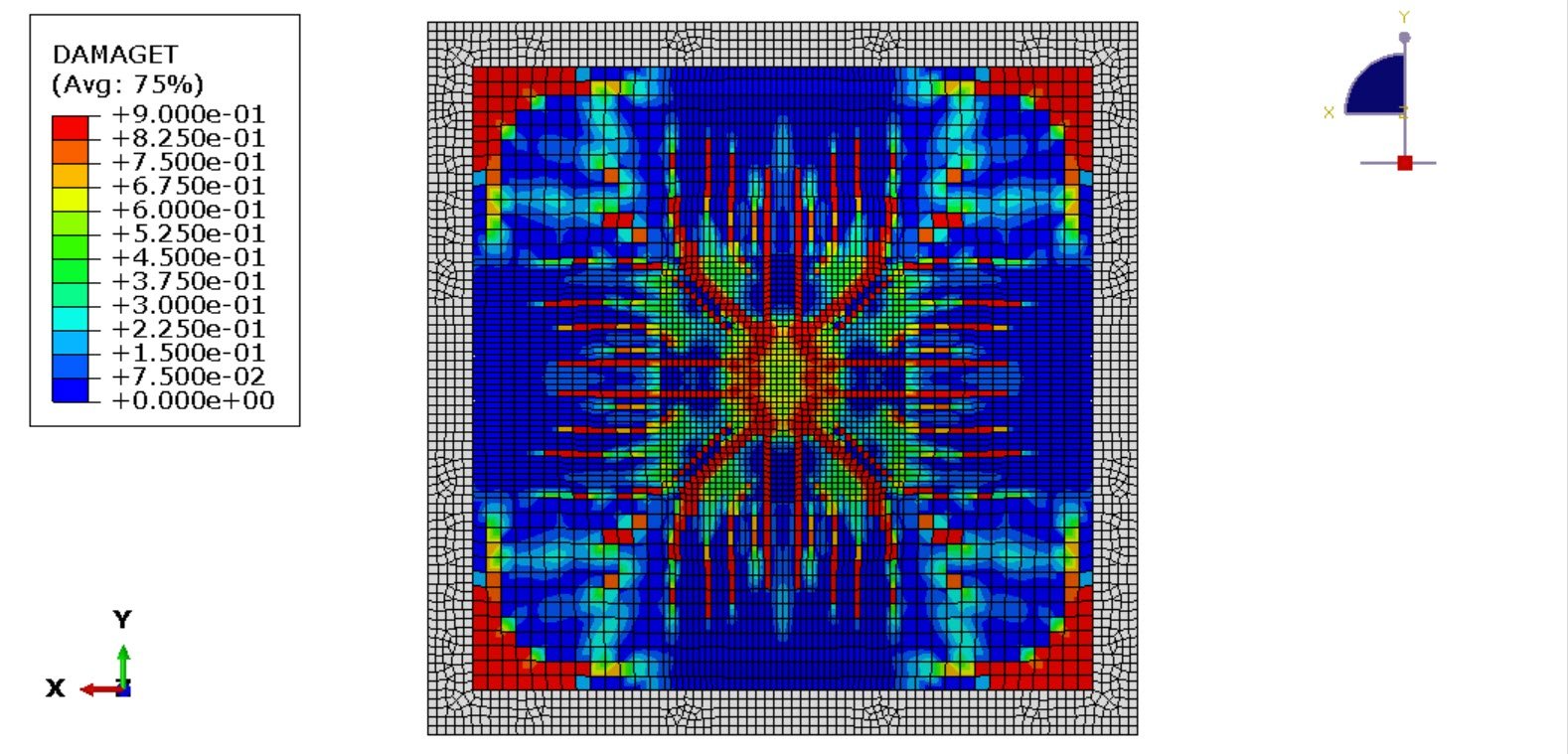
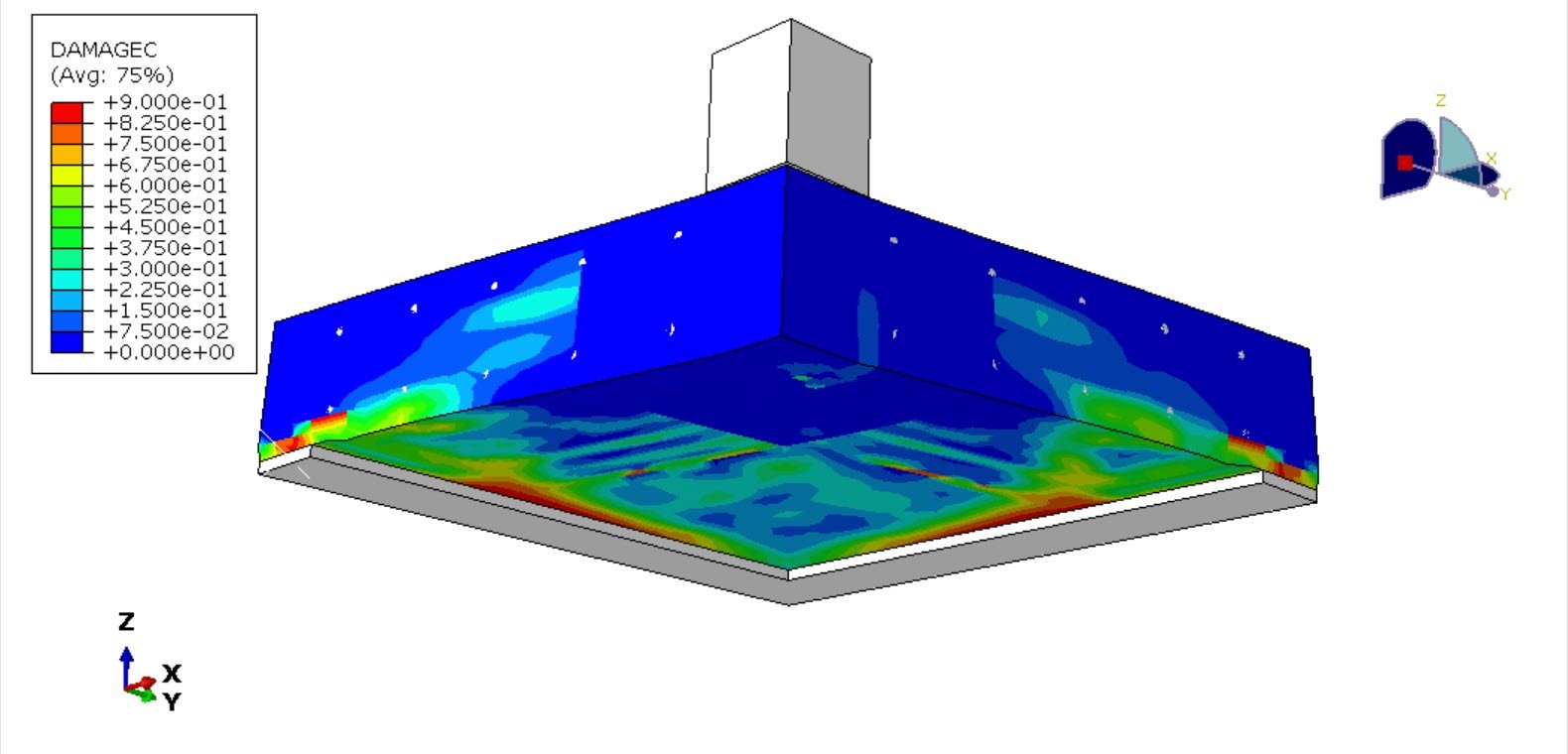
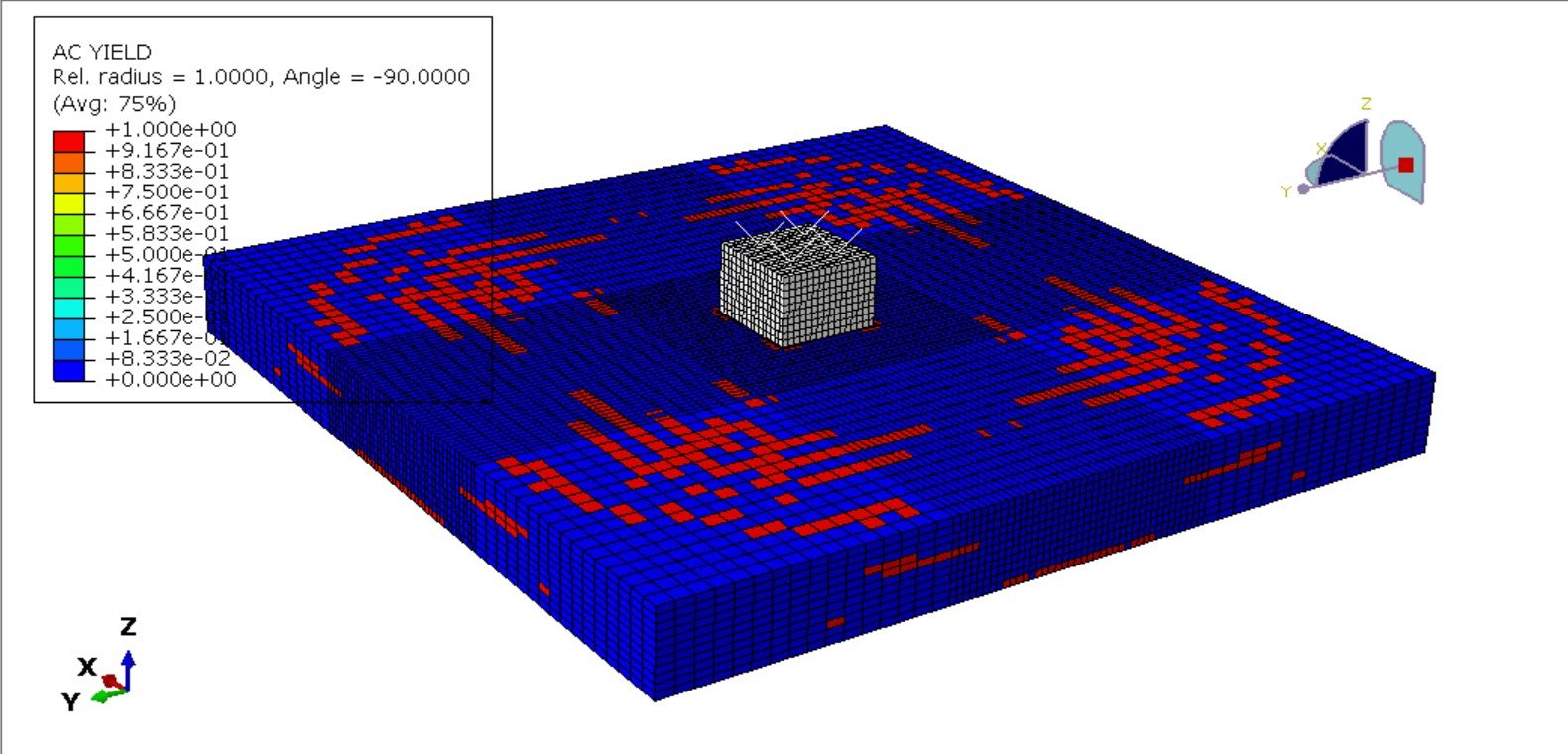
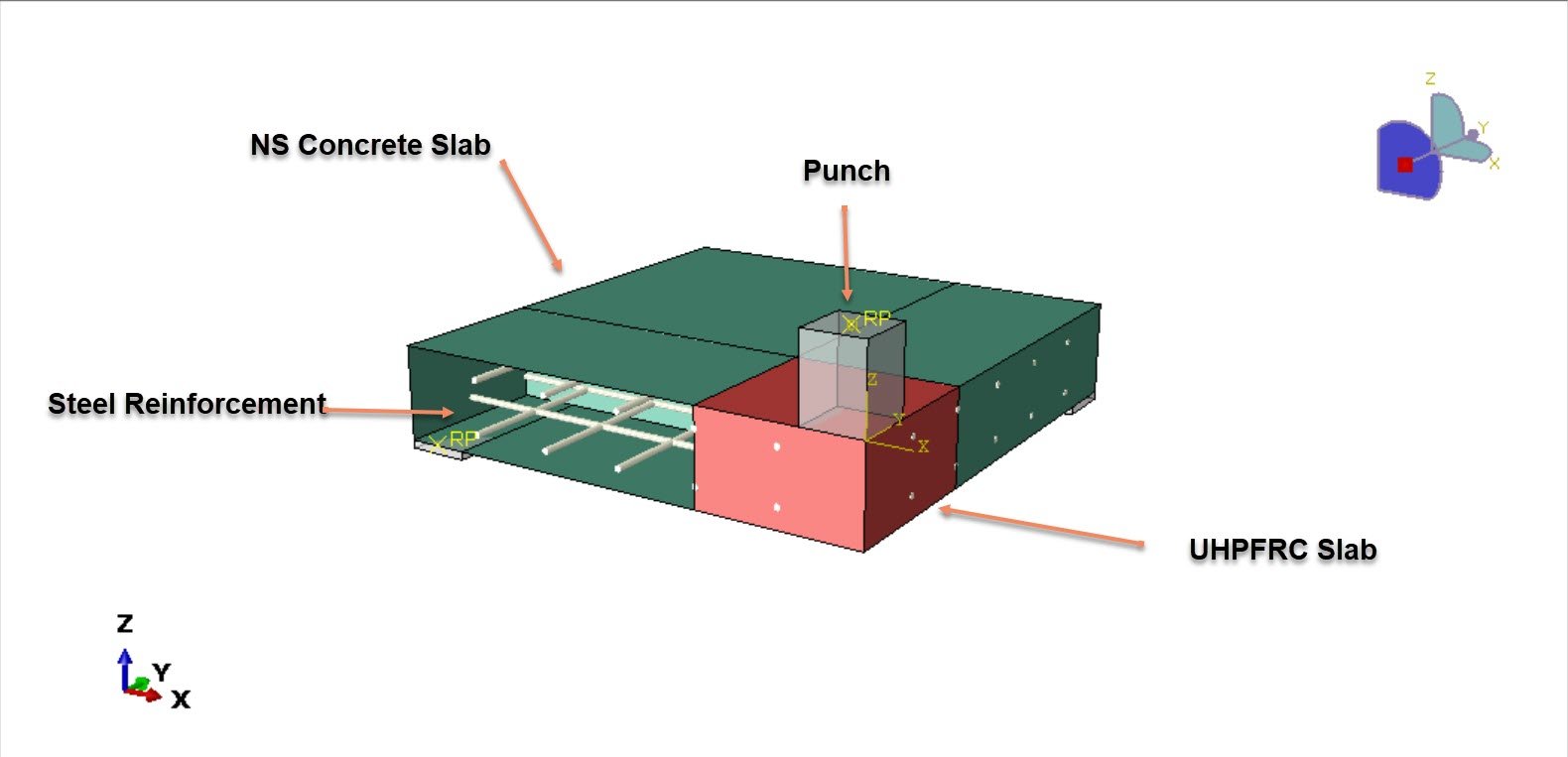
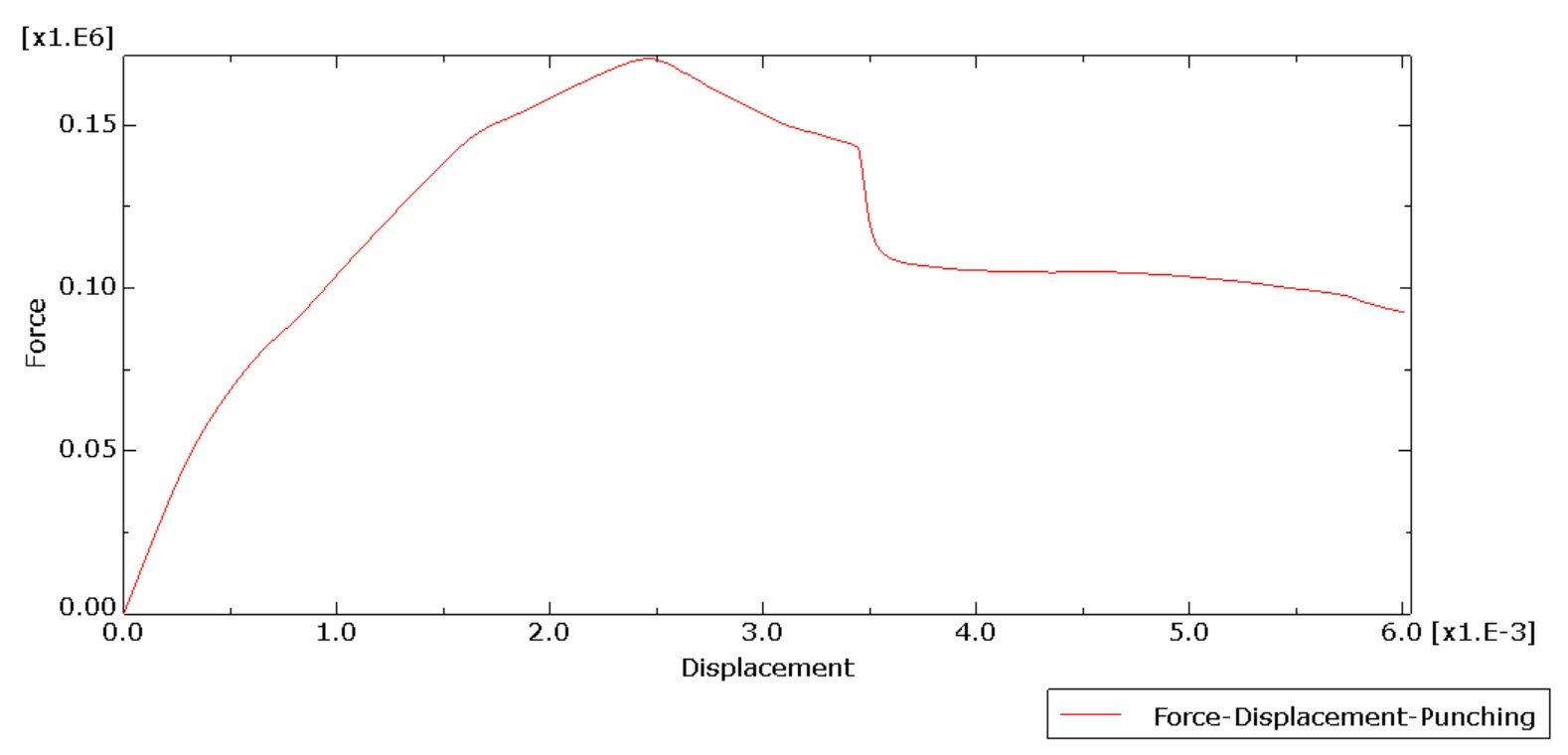
Flat slabs are widely used in reinforced concrete structures due to their architectural flexibility, reduced story height, and simplified formwork. However, one of the most critical limit states governing their design is punching shear failure at slab–column connections. This type of failure is typically brittle, occurs with little warning, and can lead to progressive collapse if not adequately prevented. Therefore, enhancing the punching capacity and ductility of flat slabs remains a key research and design priority.
Traditional reinforced concrete flat slabs made with normal concrete (NC) rely on flexural reinforcement and, in some cases, shear reinforcement (stud rails, stirrups, shear heads) to resist punching. Despite these measures, stress concentrations around the column region often lead to diagonal cracking, stiffness degradation, and eventual punching failure. The inherent low tensile strength and limited fracture energy of NC further contribute to the sudden nature of this failure mode.
To address these limitations, recent research has explored the use of Ultra-High-Performance Fiber-Reinforced Concrete (UHPFRC) in critical regions of flat slabs. UHPFRC is characterized by:
Very high compressive strength (>150 MPa typical)
Enhanced tensile strength due to steel fibers
Strain-hardening behavior in tension
Superior fracture energy and crack-bridging capacity
Improved durability and bond performance
Rather than casting the entire slab with UHPFRC—which is costly and may be unnecessary—rational use involves placing UHPFRC only in the high-stress zone around the column. This hybrid system aims to:
Increase punching shear resistance
Delay crack initiation and propagation
Improve post-cracking ductility
Enhance energy absorption capacity
Optimize material cost versus structural performance
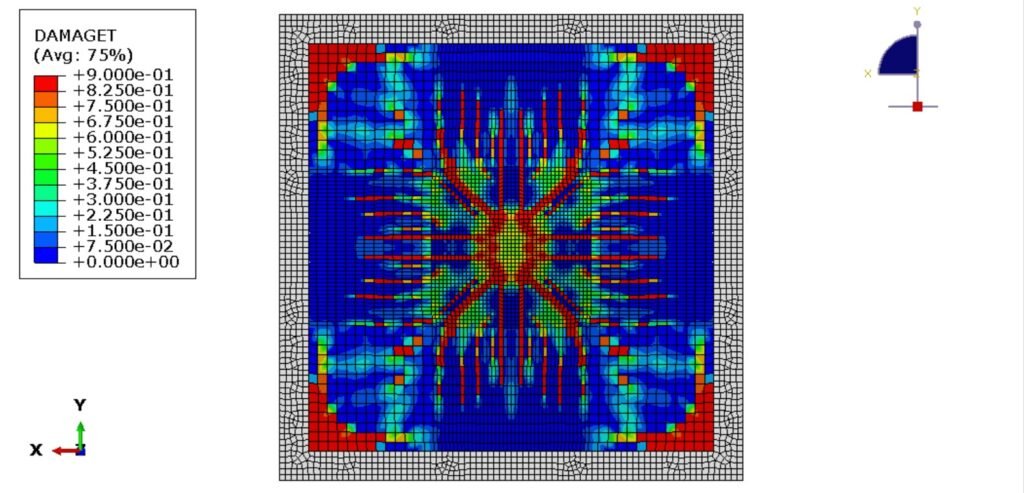
In this study, the structural behavior and punching capacity of flat slabs incorporating a localized UHPFRC zone were investigated using the finite element software Abaqus.
Both Normal Concrete (NC) and UHPFRC were simulated using the Concrete Damaged Plasticity (CDP) model, which is well-suited for nonlinear analysis of quasi-brittle materials. The CDP model enables:
Representation of tensile cracking and compressive crushing
Stiffness degradation through damage variables
Distinction between tensile and compressive damage evolution
Capture of confinement and dilation effects
For NC, standard stress–strain relationships reflecting limited tensile capacity and brittle softening were adopted. For UHPFRC, enhanced tensile strength, strain hardening (if modeled), and higher fracture energy were incorporated to reflect fiber bridging and crack control mechanisms.
Steel reinforcement was modeled as embedded elements within the slab concrete matrix. The reinforcement layout was designed to reflect realistic slab detailing around the column region.
A Static General solver in Abaqus was employed to simulate monotonic loading up to failure.
Load–deflection response
Crack initiation and propagation
Damage evolution in NC and UHPFRC
Stress redistribution after cracking
Ultimate punching failure mechanism

Abaqus
€97,00 €54,00
Engineering files
€60,00 €50,00
Abaqus
€146,00 €89,00
Abaqus
€85,00 €47,00
Abaqus
€78,00 €39,00
See more

Want to receive push notifications for all major on-site activities?