Engineering Downloads
Let’s Learn and Collaborate


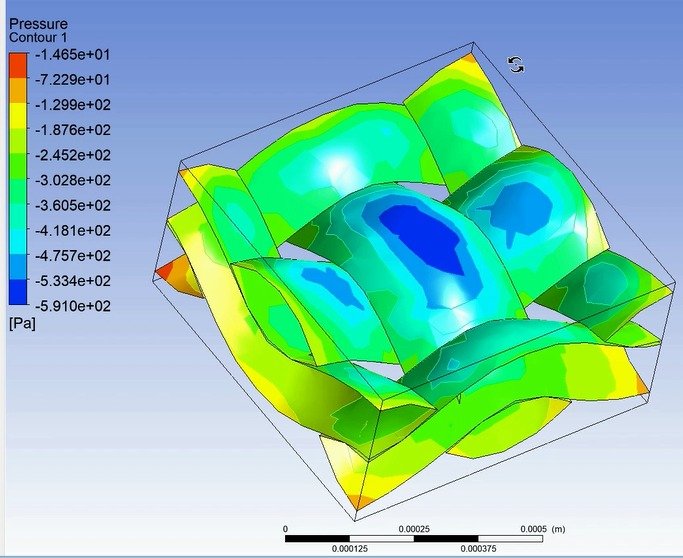
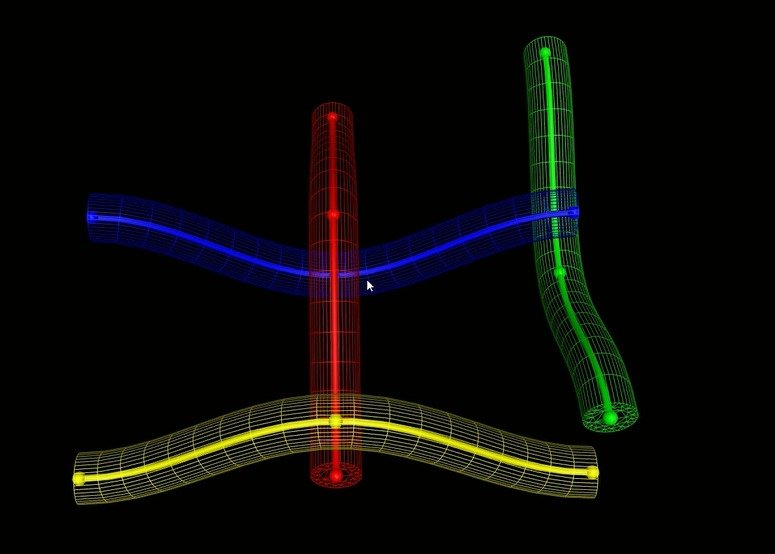
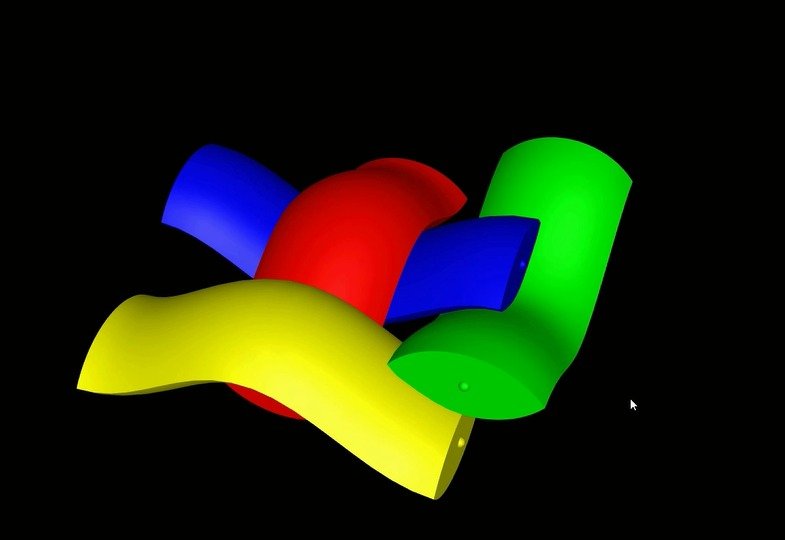
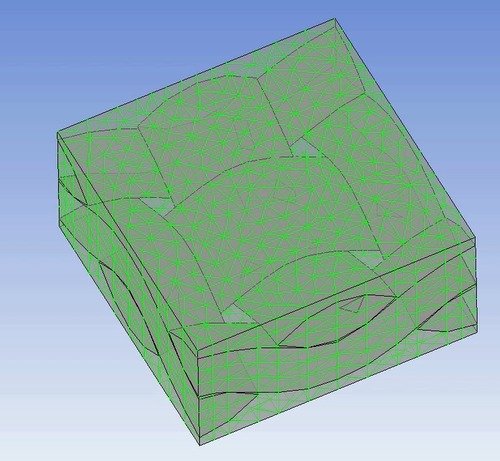
This study presents a simulation-based approach for predicting the air permeability of woven fabrics, particularly focusing on the complex airflow behavior through herringbone twill weave structures. Using TexGen software, accurate fabric geometry is generated based on detailed yarn diameter and spacing measurements derived from scanning electron microscopy (SEM) images. Computational techniques, including computational fluid dynamics (CFD) and the finite element method (FEM), are employed to model airflow through the fabric using creep flow and Darcy’s law. Experimental validation is performed with a TEXTEST FX 3300 air permeability tester, in accordance with the BS 5636 standard. The comparison of predicted and experimental results reveals a high correlation and minimal error, showcasing the potential of these computational methods for fabric design and optimization. Additionally, the study extends these principles to plain weave structures, where Ansys Fluent is used for airflow simulation, further enhancing the accuracy of permeability predictions.
This tutorial video, along with the accompanying code files, provides a comprehensive guide to implementing these techniques in fabric design and airflow simulations. The materials are available for purchase, offering valuable insights and practical tools for professionals and researchers in the field.
Computational tools/material representations:
TexGen to generate fabric geometry from measured yarn parameters.
CFD and FEM models representing airflow and permeability behaviour through the woven structure using ANSYS software.

Abaqus
€97,00 €54,00
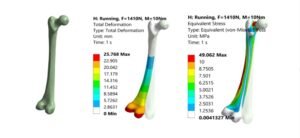
Engineering files
€60,00 €50,00
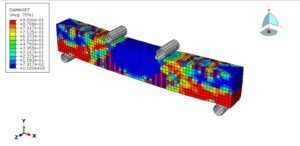
Abaqus
€146,00 €89,00
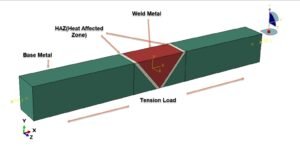
Abaqus
€85,00 €47,00
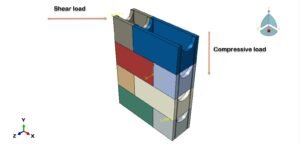
Abaqus
€78,00 €39,00
See more

Want to receive push notifications for all major on-site activities?