As an engineer, your analytical mind is constantly seeking optimal solutions and efficiency. Why should your career growth and income be any different? This guide provides a practical, engineer-to-engineer roadmap to strategically boost your earnings, focusing on actionable steps and valuable skills that truly move the needle.

Image by Md. Abu Hasan, Wikimedia Commons
Why Engineers Need a Strategic Approach to Income Growth
Many engineers focus intensely on their technical craft, sometimes overlooking the strategic aspects of career progression and income optimization. In a dynamic market, understanding your value and actively shaping your trajectory is crucial. Passive growth often means leaving significant money on the table.
Understanding Your Market Value
Your market value isn’t just about your years of experience; it’s a blend of your specialized skills, the demand for those skills, your industry, your impact, and your ability to articulate your contributions. Regularly assessing these factors is the first step to knowing what you’re truly worth and identifying gaps to fill.
- Research Salary Benchmarks: Use industry-specific salary reports and online tools to understand typical compensation for your role, experience level, and location.
- Identify High-Demand Skills: Look at job postings for senior or specialist roles that interest you. What skills are consistently requested?
- Quantify Your Impact: Keep a running log of your achievements, focusing on measurable results (e.g., saved X hours, reduced costs by Y%, improved Z efficiency).
Core Strategies for Boosting Your Engineering Salary
Increasing your income often involves a multi-pronged approach. Here are the most effective strategies:
1. Upskill in High-Demand Areas
The engineering landscape evolves rapidly. Staying at the forefront of technology and methodologies makes you invaluable.
Mastering Advanced Simulation & Analysis
Proficiency in complex analysis tools is a cornerstone for many high-paying engineering roles, especially in R&D, design optimization, and failure analysis.
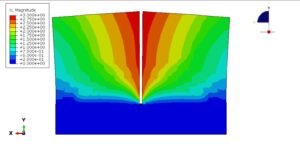
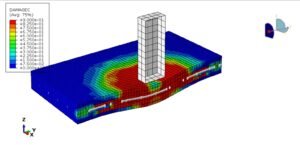
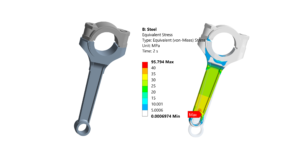
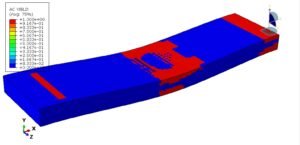
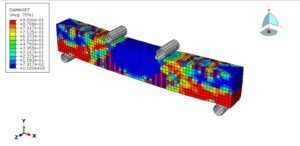
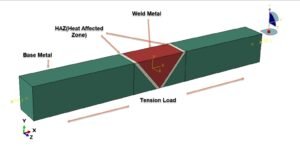
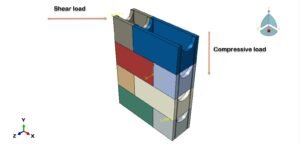
- Finite Element Analysis (FEA): Deep expertise in tools like Abaqus, ANSYS Mechanical, or MSC Nastran for structural integrity, non-linear analysis, fatigue, and fracture mechanics (e.g., FFS Level 3 assessments). This is critical in industries like Aerospace, Oil & Gas, and Biomechanics.
- Computational Fluid Dynamics (CFD): Mastering software such as ANSYS Fluent/CFX or OpenFOAM for fluid flow, heat transfer, and multiphysics simulations. Essential for optimizing designs in aerospace, energy, and process engineering.
- Multi-Body Dynamics (MBD): Skills in tools like ADAMS for simulating the motion and forces of complex mechanical systems.
- Specialized Expertise: Focus on niche areas such as advanced materials modeling, explicit dynamics, or topology optimization.
Leveraging Automation & Programming
Automating repetitive tasks and developing custom analysis tools can significantly enhance productivity and accuracy, making you a highly sought-after asset.
- Python: A versatile language for data analysis, scripting CAD-CAE workflows, post-processing simulation results, and developing custom tools. Its extensive libraries (NumPy, SciPy, Matplotlib) are invaluable.
- MATLAB: Excellent for numerical computation, algorithm development, and data visualization, particularly strong in control systems, signal processing, and scientific research.
- API Integration: Learn how to interact with engineering software APIs (e.g., Abaqus Python API, ANSYS ACT) to streamline design iterations and analysis processes.
Specialized Industry Knowledge
Becoming an expert in a specific industry’s unique challenges and regulations can dramatically increase your value.
- Oil & Gas: Deep understanding of pipeline integrity, offshore structures, or FFS (Fitness-for-Service) assessments.
- Aerospace: Expertise in lightweight materials, aeroelasticity, or regulatory compliance (e.g., FAA, EASA).
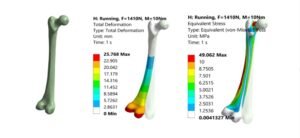
- Biomechanics: Applying engineering principles to biological systems, requiring knowledge of medical devices, human body mechanics, and relevant standards.
2. Excel in Your Current Role & Seek Promotion
Don’t underestimate the power of internal growth. Demonstrating exceptional value can lead to significant raises and promotions.
Become a Go-To Expert
Proactively solve complex problems, mentor junior engineers, and take initiative on critical projects. When you’re the person everyone turns to for solutions, your value is undeniable.
Develop Soft Skills
Technical prowess is foundational, but leadership, communication, project management, and problem-solving skills are what propel you into senior and management roles.
- Effective Communication: Clearly articulate complex technical concepts to non-technical stakeholders.
- Project Management: Lead projects efficiently, meeting deadlines and budgets.
- Mentorship & Leadership: Guide teams and contribute to the growth of others.
Negotiate Effectively
Many engineers are uncomfortable with salary negotiation, but it’s a critical skill. Do your research, confidently present your value, and be prepared to articulate your contributions.
- Know Your Worth: Based on your market research, have a clear target salary range.
- Highlight Achievements: Focus on quantifiable impact you’ve made (cost savings, efficiency gains, successful project deliveries).
- Practice: Rehearse your negotiation points to build confidence.
3. Explore External Income Streams
Diversifying your income can provide financial flexibility and accelerate your wealth growth.
Freelancing & Consulting
Leverage your specialized skills to offer services to smaller companies or for specific projects. Expertise in areas like FEA consulting, CFD analysis, or custom Python scripting can be highly lucrative.
- Identify Your Niche: What specific engineering problem can you solve for clients? (e.g., fatigue analysis for pressure vessels, optimization of aerospace components).
- Build a Portfolio: Showcase your past projects and expertise.
- Network: Connect with potential clients through professional platforms and industry events.
Teaching & Content Creation
Share your knowledge through online courses, workshops, or technical writing. Platforms abound for engineers to teach CAD-CAE, Python, MATLAB, or specific software like CATIA, Abaqus, or ANSYS.
Entrepreneurship
If you’ve identified an unmet need or a novel solution, consider starting your own engineering service or product company. This path offers the highest income potential but also the greatest risk.
Practical Tips & Actionable Steps
Building a Personal Development Plan
A structured plan keeps you focused on your income goals.
- Assess Current Skills: Honestly evaluate your strengths and weaknesses against your target roles.
- Set SMART Goals: Specific, Measurable, Achievable, Relevant, Time-bound objectives for skill acquisition and career milestones.
- Identify Resources: What courses, certifications, or projects will help you reach your goals?
- Schedule Learning Time: Dedicate regular time each week for skill development.
- Track Progress: Regularly review your plan and adjust as needed.
Networking Effectively
Your network is your net worth. Strong professional connections can open doors to new opportunities and insights.
- Industry Events: Attend conferences, workshops, and webinars.
- Professional Organizations: Join and participate in relevant engineering societies (e.g., ASME, AIAA, SPE).
- Online Platforms: Engage with peers on LinkedIn and specialized engineering forums.
Avoiding Common Pitfalls
Be aware of these traps that can hinder your income growth:
- Stagnation: Relying solely on your initial degree and not pursuing continuous learning.
- Poor Negotiation: Accepting the first offer without understanding your market value.
- Lack of Visibility: Not actively communicating your achievements and contributions to management.
- Neglecting Soft Skills: Focusing only on technical skills and overlooking leadership and communication development.
Engineering Downloads Alignment & Tools
To truly excel and increase your income, access to cutting-edge tools and knowledge is paramount. For engineers looking to accelerate their skill development or tackle complex projects, platforms like EngineeringDownloads offer valuable resources, including affordable HPC rental to run advanced models, online/live courses, internship-style training, and project/contract consultancy services.
Strategies & Skills for Income Growth: A Snapshot
Here’s a quick overview of how different strategies and skills can contribute to your income growth:
| Strategy Category | Key Actionable Items | Potential Income Impact | Relevant Tools/Skills |
|---|---|---|---|
| Technical Upskilling | Master advanced FEA, CFD, FFS Level 3, Python/MATLAB automation. | High: Access to specialized, high-demand roles, expert consulting. | Abaqus, ANSYS (Mechanical, Fluent/CFX), OpenFOAM, Python, MATLAB. |
| Career Advancement | Seek promotions, lead projects, develop leadership & communication skills. | Moderate to High: Salary raises, management bonuses, equity. | Project management software, public speaking practice. |
| External Income Streams | Freelance consulting, technical teaching, content creation. | Variable (can be very high): Supplemental income, full-time business. | Personal website/portfolio, freelance platforms, online course platforms. |
| Strategic Networking | Build professional relationships, attend industry events. | Indirect but significant: Unlocks opportunities, market insights. | LinkedIn, professional organizations (ASME, AIAA). |
Frequently Asked Questions (FAQ)
Here are answers to common questions engineers have about boosting their income: