In the dynamic world of engineering, Computational Fluid Dynamics (CFD) has become an indispensable tool for simulating fluid flow, heat transfer, and related phenomena. From designing more efficient aircraft to optimizing biomedical devices, CFD empowers engineers to make informed decisions without costly physical prototypes. However, the complexity of CFD simulations often requires specialized expertise, robust computational resources, and deep domain knowledge. This is where expert CFD consultancy steps in.

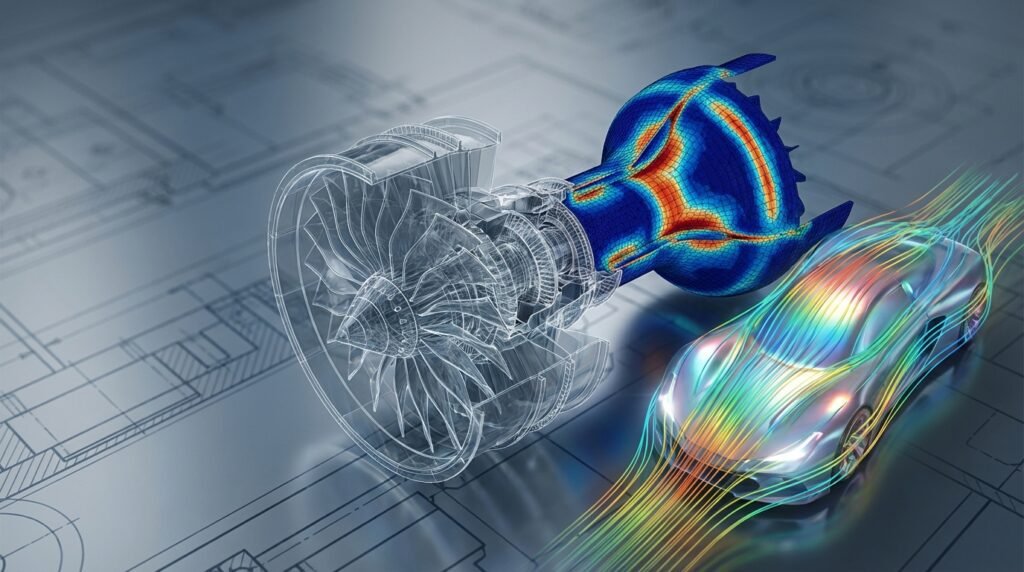
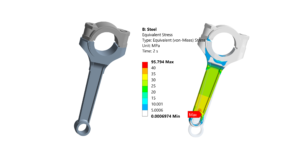
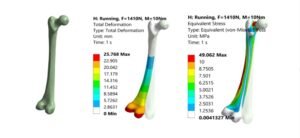
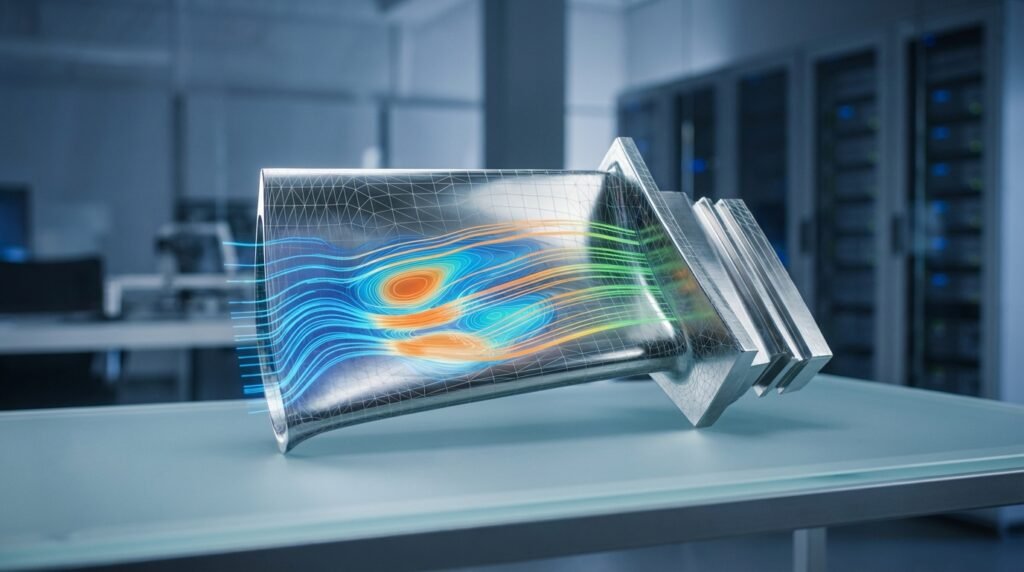
Image: An illustrative CFD simulation depicting airflow around a vehicle, highlighting pressure contours.
Engaging a CFD consultant can be a game-changer for projects facing intricate fluid mechanics challenges. This guide is tailored for engineers, project managers, and technical leaders who need to understand when and how to leverage external CFD expertise effectively. We’ll cover everything from identifying the need for a consultant to ensuring the quality and validity of their work, all in a practical, engineer-to-engineer tone.
When to Consider CFD Consultancy
Deciding when to bring in external CFD expertise can significantly impact project timelines, costs, and the ultimate success of your designs. Here are common scenarios where CFD consultancy offers substantial value:
Complex Fluid Dynamics Challenges
- Advanced Physics Models: Your project might involve multiphase flows, reacting flows, non-Newtonian fluids, advanced turbulence models, or aeroacoustics – areas that require deep theoretical understanding and practical experience to set up and interpret correctly. For instance, simulating oil & gas pipeline integrity under slug flow conditions demands a specialized multiphase CFD approach.
- Unusual Geometries: Highly complex or moving geometries (e.g., in biomechanics for blood flow simulation in arteries, or aerospace for turbomachinery blade design) can pose significant meshing and solver challenges that a specialist is better equipped to handle.
- High-Fidelity Requirements: When design decisions hinge on minute details, such as optimizing heat transfer in electronic cooling or predicting intricate flow patterns in microfluidics, high-fidelity CFD is essential and often requires expert fine-tuning.
Limited In-House Expertise or Resources
- Skill Gaps: Your team might be proficient in general engineering but lack specific CFD knowledge in areas like advanced turbulence modeling, transient simulations, or specific solver applications (e.g., ANSYS Fluent vs. OpenFOAM).
- Software Licensing & Access: High-end commercial CFD software (like ANSYS Fluent/CFX, Abaqus CFD, or even specialized OpenFOAM distributions) can be expensive. Consultants often have access to a broader suite of tools and HPC (High-Performance Computing) resources.
- Computational Power: Running large-scale, high-resolution CFD simulations demands significant computational resources. Consultants typically operate high-performance clusters, saving your organization from substantial hardware investments and maintenance.
Project Deadlines & Cost Efficiency
- Accelerated Project Timelines: A consultant can hit the ground running, rapidly setting up and executing simulations, often reducing the overall project duration. This is critical when time-to-market is a key factor.
- Avoiding Costly Mistakes: Incorrectly set up or interpreted simulations can lead to flawed design decisions, requiring expensive physical re-prototyping or even product recalls. An expert can minimize these risks.
- Temporary Demand: For organizations with infrequent CFD needs, hiring a consultant for specific projects is more cost-effective than maintaining a full-time, in-house CFD team.
Independent Validation & Verification
- Third-Party Review: For critical projects, especially in sectors like structural integrity and FFS Level 3 assessments in Oil & Gas, an independent third-party CFD analysis can provide an unbiased validation of in-house designs or previous analyses.
- Regulatory Compliance: Certain industries or regulatory bodies may require independent verification of simulation results to ensure safety and performance standards are met.
The Benefits of Engaging a CFD Consultant
Partnering with a CFD consultant offers a multitude of advantages that extend beyond just completing a simulation. These benefits can significantly enhance your project’s outcomes and your organization’s capabilities.
Access to Specialized Knowledge
Consultants bring a wealth of experience from diverse projects and industries. They often have deep expertise in:
- Industry-Specific Applications: Whether it’s aerospace aerodynamics, oil & gas flow assurance, biomechanics of prosthetics, or architectural HVAC, consultants have seen similar problems and can apply proven methodologies.
- Advanced Numerical Methods: They understand the nuances of various numerical schemes, turbulence models (e.g., k-epsilon, k-omega SST, LES, DNS), and solution strategies, ensuring the most appropriate approach for your specific problem.
- Software Mastery: Beyond general usage, consultants are often power-users of tools like ANSYS Fluent/CFX, OpenFOAM, and sometimes even coupled CAE solutions with structural analysis (e.g., ANSYS Mechanical or Abaqus). They can leverage advanced features and scripting capabilities (Python, MATLAB) for automation and customization.
Optimized Design & Performance
CFD consultancy can be instrumental in driving design innovation and performance improvements:
- Iterative Design & Parametric Studies: Consultants can efficiently run multiple design iterations or parametric studies to explore a wide design space, identifying optimal configurations that meet performance criteria (e.g., reduced drag, improved mixing, enhanced heat transfer).
- Performance Enhancement: By identifying bottlenecks or inefficiencies in current designs, CFD experts can suggest modifications that lead to significant performance gains, such as optimizing pump efficiency or improving combustion processes.
Risk Mitigation & Troubleshooting
Proactive identification and resolution of potential issues are key benefits:
- Early Problem Detection: CFD can uncover design flaws or operational issues that might be missed by traditional methods, preventing expensive failures down the line. For example, predicting cavitation in pumps or flow-induced vibration in structures.
- Root Cause Analysis: If a physical prototype or existing system is underperforming, CFD can provide insights into the underlying fluid dynamic mechanisms, helping diagnose and resolve the issue.
Cost Savings in the Long Run
While an initial investment, consultancy often leads to significant savings:
- Reduced Physical Prototyping: By virtually testing numerous designs, the need for costly and time-consuming physical prototypes can be dramatically reduced.
- Faster Time-to-Market: Efficient simulation workflows accelerate the design cycle, bringing products to market faster and gaining a competitive edge.
- Optimized Operations: Improvements identified through CFD can lead to reduced operational costs, such as lower energy consumption for HVAC systems or improved fuel efficiency in vehicles.
Choosing the Right CFD Consultant: A Practical Checklist
Selecting the ideal CFD consultant is crucial for a successful project. Here’s a checklist to guide your decision-making process:
Expertise & Experience
- Domain Knowledge: Does the consultant have experience in your specific industry (e.g., Oil & Gas, Aerospace, Automotive, Biomechanics) and with the type of fluid dynamics problem you’re tackling?
- Software Proficiency: Are they proficient in the CFD software relevant to your project (e.g., ANSYS Fluent/CFX, OpenFOAM, STAR-CCM+, specialized in-house codes)? Do they understand the strengths and limitations of each?
- Track Record: Request case studies, project examples, or references from previous clients, especially for projects similar to yours.
Communication & Collaboration
- Clear Communication: Can they explain complex CFD concepts in an understandable way? Do they provide regular, transparent updates on progress and challenges?
- Responsiveness: How quickly do they respond to inquiries and provide feedback?
- Data Exchange: How will CAD data (e.g., from CATIA or SolidWorks), analysis results, and reports be shared? Ensure compatibility with your internal systems.
Project Management & Deliverables
- Scope Definition: Are they meticulous in defining the project scope, objectives, deliverables, and success criteria upfront?
- Timelines & Milestones: Do they provide a clear project plan with realistic timelines and key milestones?
- Reporting: What format will the final report take? Does it include not just results but also methodology, assumptions, limitations, and actionable recommendations?
Software & Hardware Capabilities
- Access to Tools: Do they have access to the necessary commercial licenses (e.g., for ANSYS products, MSC Nastran if coupled analysis is needed) or expertise in open-source platforms (OpenFOAM)?
- HPC Resources: Do they possess the computational power (e.g., high-performance clusters) required for your simulation size and complexity?
Cost & Value Proposition
- Quotation Clarity: Is the pricing structure clear, detailing all costs, or are there hidden fees?
- Value for Money: Does the proposed solution offer the best value for your investment, considering the expertise, resources, and deliverables?
| Feature | In-House CFD Team | CFD Consultant |
|---|---|---|
| Expertise Depth | Specialized in company’s core products, but possibly limited across diverse physics. | Broad and deep across various industries and complex physics (e.g., FFS Level 3, Biomechanics, Aerospace). |
| Resource Investment | High fixed costs (salaries, software licenses, HPC hardware, maintenance). | Variable project-based costs, no long-term commitment. |
| Project Agility | Can be slower due to existing workload or skill gaps; ramp-up time for new problems. | Faster ramp-up, dedicated focus, often quicker turnaround times. |
| Independence | Potentially biased towards internal designs/processes. | Provides objective, third-party validation and fresh perspectives. |
| Software Access | Limited to licensed tools; may lack specific advanced packages. | Access to a wide array of commercial (e.g., Abaqus, ANSYS) and open-source (OpenFOAM) tools. |
The CFD Consultancy Workflow: What to Expect
Understanding the typical workflow of a CFD consultancy project can help you manage expectations and facilitate smoother collaboration. While specific steps may vary, a general process includes:
Step 1: Project Definition & Scoping
- Initial Consultation: Discussion of project goals, engineering challenges, performance criteria, and constraints.
- Data Collection: Providing all relevant CAD geometries (e.g., from CATIA, SolidWorks), operating conditions, material properties, and any existing experimental or analytical data.
- Scope of Work (SOW) Proposal: The consultant outlines the objectives, methodology, deliverables, timeline, and cost. This is a critical document for alignment.
Step 2: Pre-Processing (Geometry & Meshing)
- Geometry Cleanup: The consultant prepares the CAD model for simulation, addressing common issues like small gaps, overlaps, or sliver faces that can hinder meshing. This often involves CAD-CAE workflows and tools like ANSYS SpaceClaim or robust CAD software.
- Mesh Generation: Creating a computational mesh (grid) that discretizes the fluid domain. This is a critical step affecting accuracy and computational cost. Techniques vary from structured grids to unstructured polyhedral meshes (e.g., using ANSYS Meshing, snappyHexMesh in OpenFOAM).
- Practical Tip: Ensure your initial CAD data is as clean and well-defined as possible. Poor geometry is a leading cause of project delays in CFD.
Step 3: Solver Setup & Simulation
- Physics Model Selection: Choosing appropriate models for turbulence (e.g., k-epsilon for industrial flows, SST k-omega for aerospace), multiphase interactions, heat transfer, and chemical reactions.
- Boundary Conditions (BCs): Applying realistic inlet velocities, outlet pressures, wall conditions, and thermal conditions based on your operational environment.
- Numerical Setup: Configuring solver settings, discretization schemes, and convergence criteria. This is where expertise with tools like ANSYS Fluent/CFX or OpenFOAM is paramount.
- Simulation Execution: Running the simulation on high-performance computing resources.
Step 4: Post-Processing & Analysis
- Data Extraction: Extracting key parameters such as pressure distributions, velocity profiles, temperature contours, forces, moments, and efficiency metrics.
- Visualization: Generating compelling images, animations, and plots to illustrate flow phenomena and simulation results.
- Interpretation: Analyzing the data to answer the original engineering questions, identify design flaws, or confirm performance predictions. Advanced scripting with Python or MATLAB can automate repetitive post-processing tasks and integrate with other engineering tools.
Step 5: Reporting & Recommendations
- Comprehensive Report: A detailed document summarizing the methodology, assumptions, results, and conclusions. It should be clear, concise, and understandable to non-CFD experts.
- Actionable Recommendations: Providing practical suggestions for design improvements, operational changes, or further investigations based on the simulation findings.
- Knowledge Transfer: In some cases, consultants can provide workshops or detailed explanations to help your team understand the simulation process and results.
Verification & Sanity Checks in CFD Projects
Ensuring the reliability and accuracy of CFD results is paramount. A good CFD consultant will always incorporate rigorous verification and validation (V&V) procedures. Here are key aspects:
Mesh Independence Study
This critical step involves running simulations on successively finer meshes to ensure that the results are independent of the mesh resolution. If the results change significantly with a finer mesh, the original mesh was likely too coarse. This is fundamental for confidence in the simulation.
Convergence Criteria
Monitoring the residuals (imbalance of equations), as well as key engineering quantities (e.g., drag, lift, temperature at a point), ensures that the solution has stabilized and reached a steady state (or periodic steady state for transient simulations). Relying solely on residual values can sometimes be misleading.
Boundary Condition Sensitivity
Testing the sensitivity of results to variations in input boundary conditions (e.g., slight changes in inlet velocity, temperature, or wall roughness) helps understand the robustness of the design and the model. This is especially important for situations with uncertain operating parameters.
Validation Against Experimental Data/Analytical Solutions
Whenever possible, CFD results should be compared against experimental data or well-established analytical solutions. This is the ultimate test of the model’s predictive capability. For example, validating a flow model against wind tunnel data for an airfoil or comparing pressure drop calculations against Darcy-Weisbach equations for pipe flow.
Engineering Sense Check
After all numerical checks, an experienced engineer will always perform a ‘sanity check’. Do the results make physical sense? Are the magnitudes reasonable? Are there any unexpected flow features that defy physical intuition? This often catches subtle errors that numerical metrics might miss.
To support your in-house V&V processes, EngineeringDownloads.com offers downloadable templates and scripts for common verification tasks, including mesh independence study automation using Python or MATLAB.
Common Pitfalls to Avoid in CFD Consultancy
Even with expert help, certain issues can derail a CFD project. Being aware of these common pitfalls can help you ensure a smoother and more successful engagement.
Unclear Project Scope
Mistake: Vague objectives, undefined deliverables, or shifting requirements mid-project. If you don’t know exactly what you want to achieve, the consultant can’t deliver it effectively.
Tip: Invest time upfront in clearly defining the problem, specific questions to be answered, desired output formats, and success metrics. A detailed Scope of Work (SOW) is your best friend.
Poor Data Quality
Mistake: Providing incomplete, inaccurate, or poorly prepared CAD geometries and operating conditions. For example, supplying a CAD model with many small features irrelevant to the flow, or incorrect material properties.
Tip: Clean and simplify your CAD models before submission. Provide comprehensive and accurate input data. Discuss with the consultant what level of detail is necessary for the simulation and what can be simplified. Leveraging CAD-CAE workflows early helps.
Ignoring Verification & Validation
Mistake: Rushing to conclusions without proper mesh independence studies, convergence checks, or comparison to known data.
Tip: Explicitly discuss the V&V plan with your consultant. Ensure these steps are included in the project plan and reported transparently. Understand the limitations of the model.
Over-Reliance on Default Settings
Mistake: A consultant (or even an in-house engineer) might use default solver settings without understanding their implications for the specific physics of your problem. This can lead to inaccurate or unstable solutions.
Tip: Ask questions about the chosen physical models, numerical schemes, and why they were selected. An expert should be able to justify these choices based on the problem characteristics.
Insufficient Communication
Mistake: Lack of regular updates, misunderstanding of technical jargon, or reluctance to ask clarifying questions.
Tip: Establish clear communication channels and regular meeting schedules. Encourage open dialogue. Don’t hesitate to ask for explanations if something is unclear. Effective communication is key to successful collaboration.
Advancing Your CFD Skills: Resources & Support
While external consultancy is invaluable, continuously enhancing your internal CFD capabilities is also a strategic move. EngineeringDownloads.com provides resources to help your team grow:
- Tutoring & Workshops: Personalized and group training sessions on fundamental CFD concepts, specific software (e.g., OpenFOAM scripting, ANSYS Fluent advanced features), or industry-specific applications.
- Downloadable Project Files & Scripts: Access to fully documented CFD projects, pre-processing scripts (Python, MATLAB for geometry manipulation or automation), and post-processing templates. These can serve as practical learning tools and starting points for your own projects.
- Online Consultancy: For smaller tasks, quick checks, or specialized questions, our online consultancy service offers flexible support without the commitment of a full project.
FAQ Section
Here are some frequently asked questions about CFD consultancy:
Further Reading
For more in-depth information on CFD best practices and fundamentals, consult authoritative resources:
Internal Linking Opportunities
Explore more engineering topics on EngineeringDownloads.com:
- Advanced Finite Element Analysis (FEA) Techniques
- Python for Engineering Automation
- Structural Integrity and FFS Level 3 Assessments
- CAD-CAE Workflow Optimization
- Introduction to OpenFOAM for Engineers